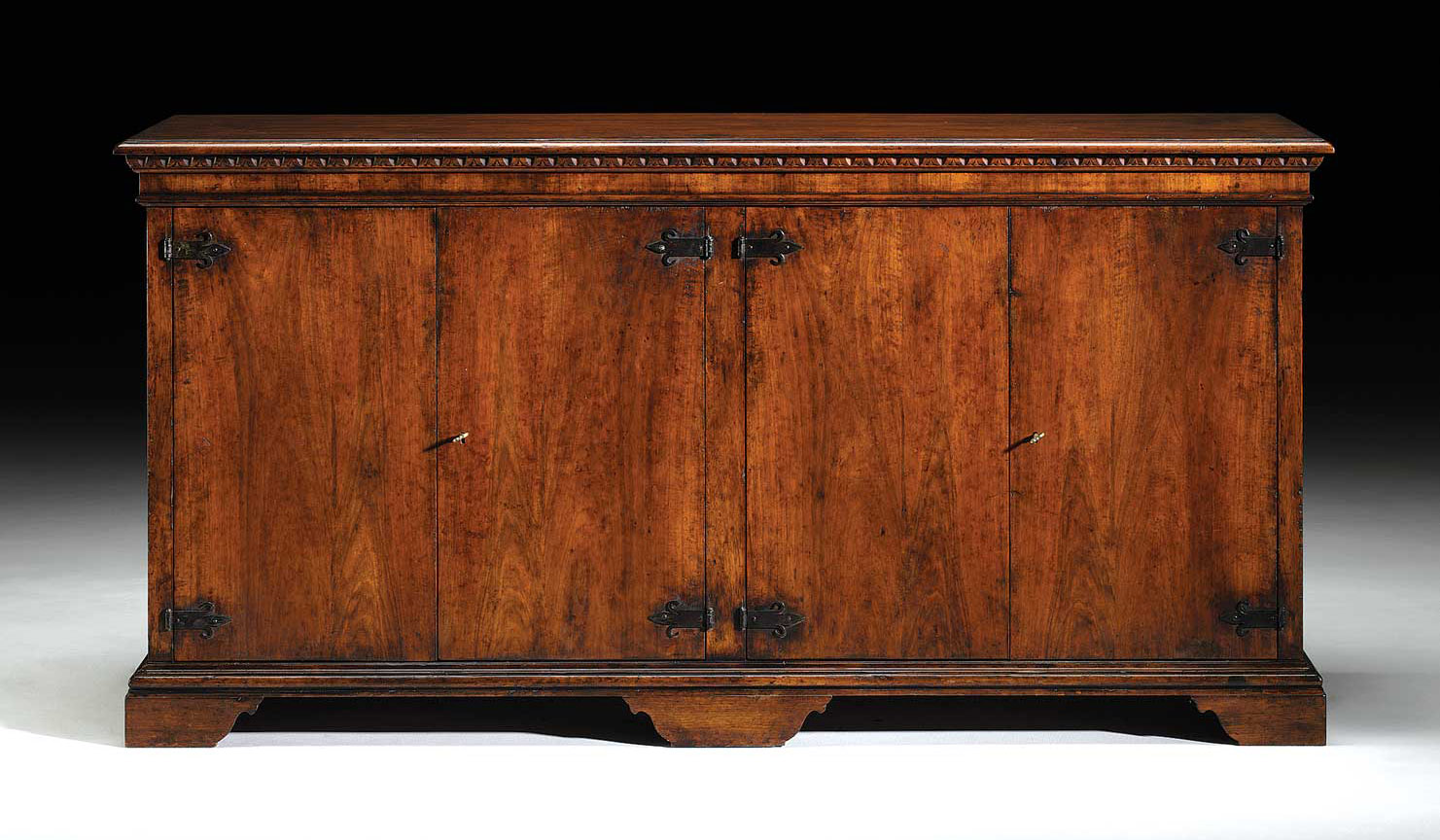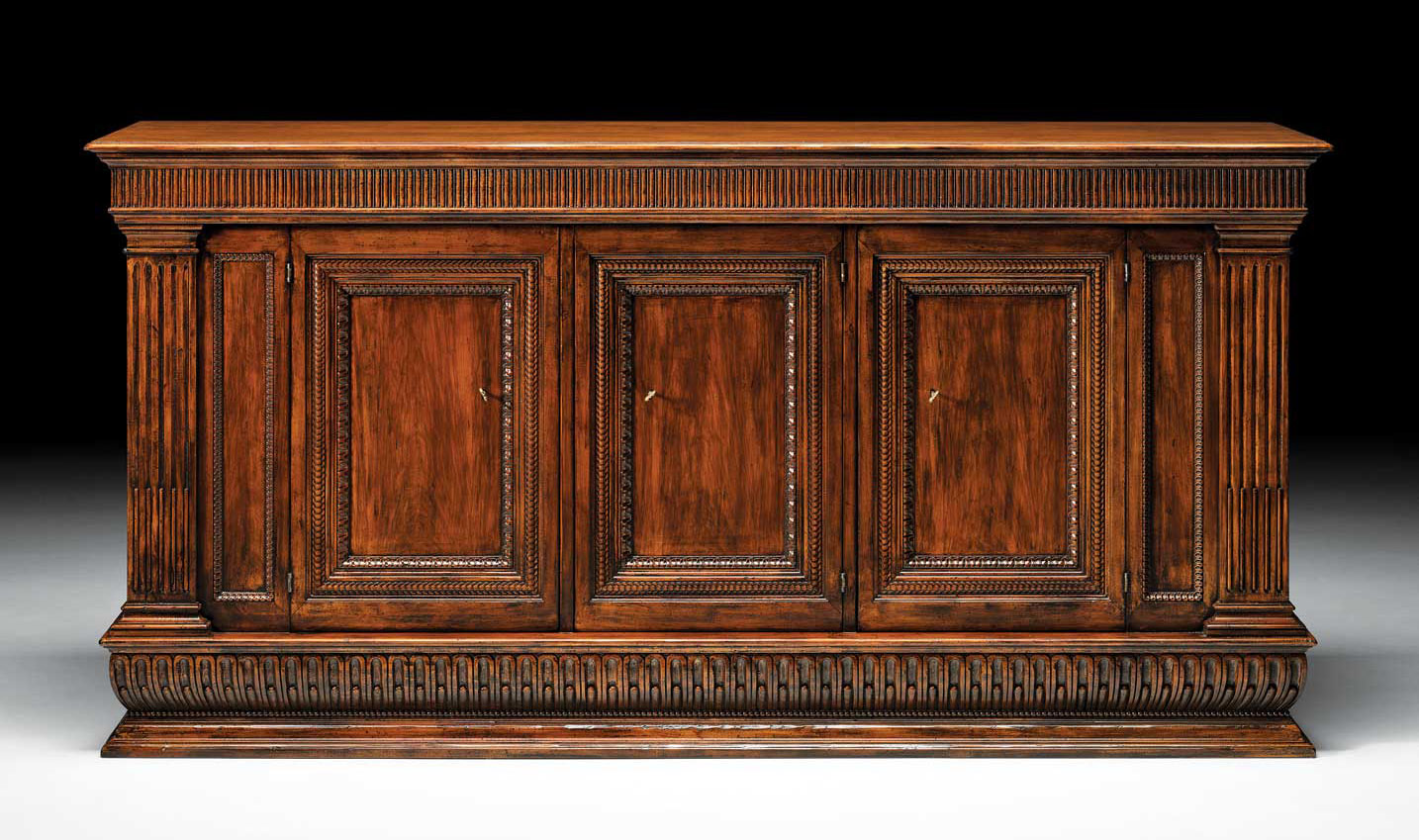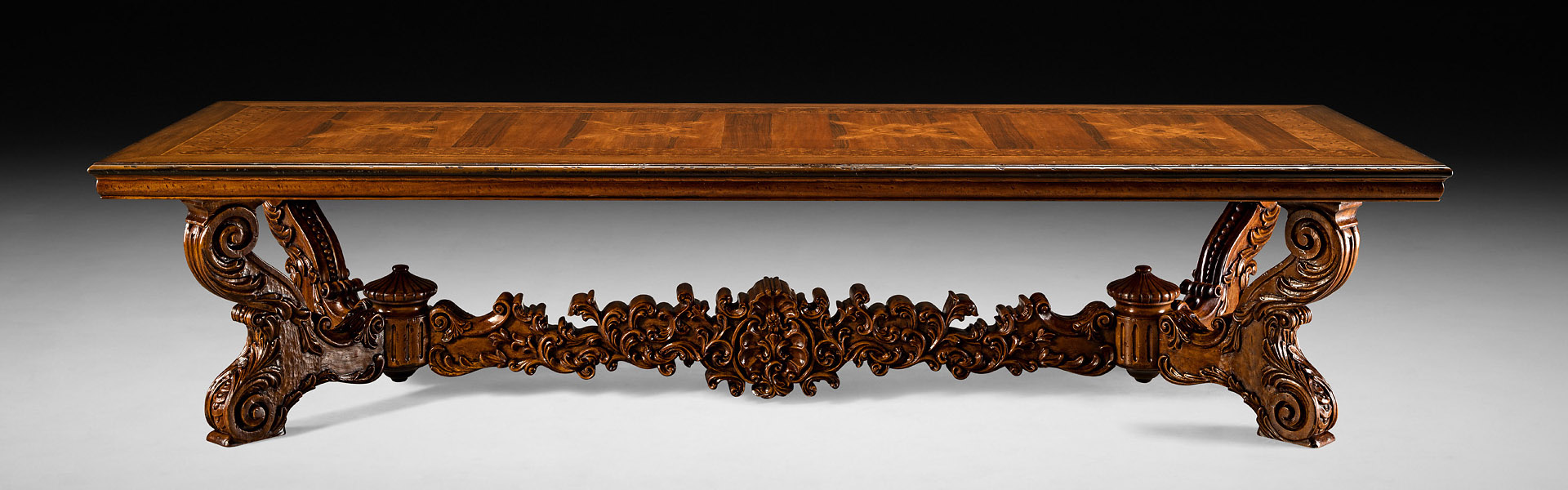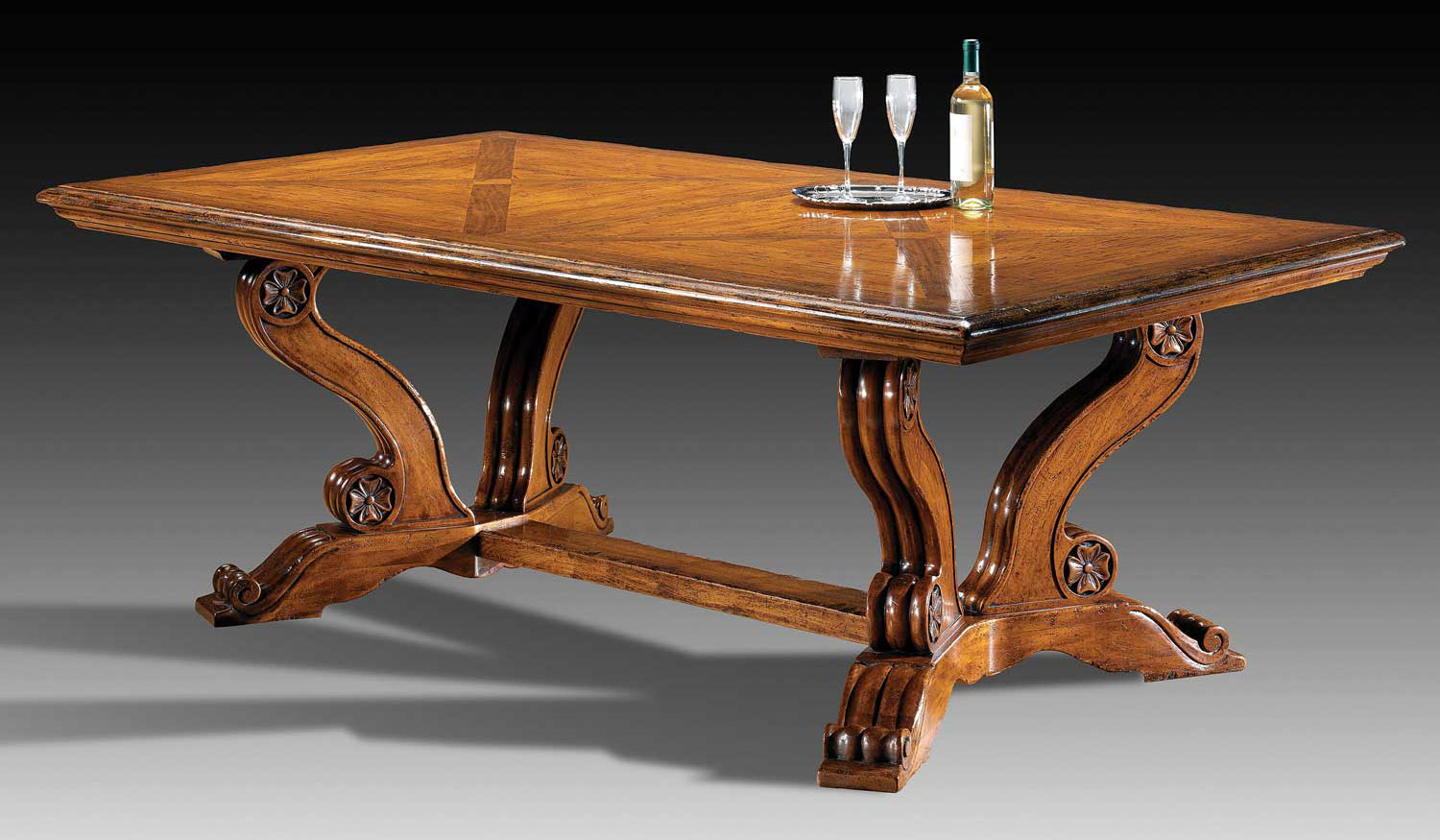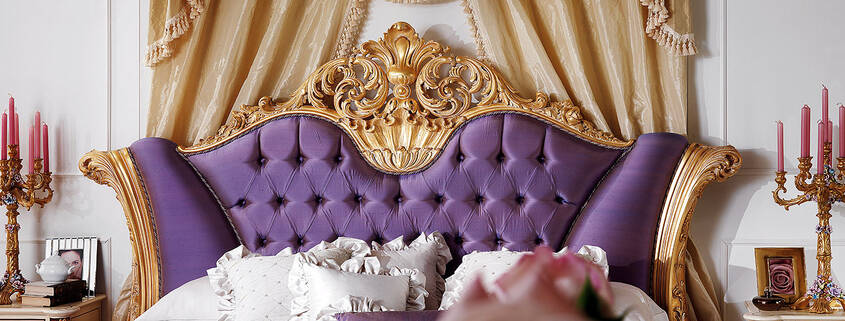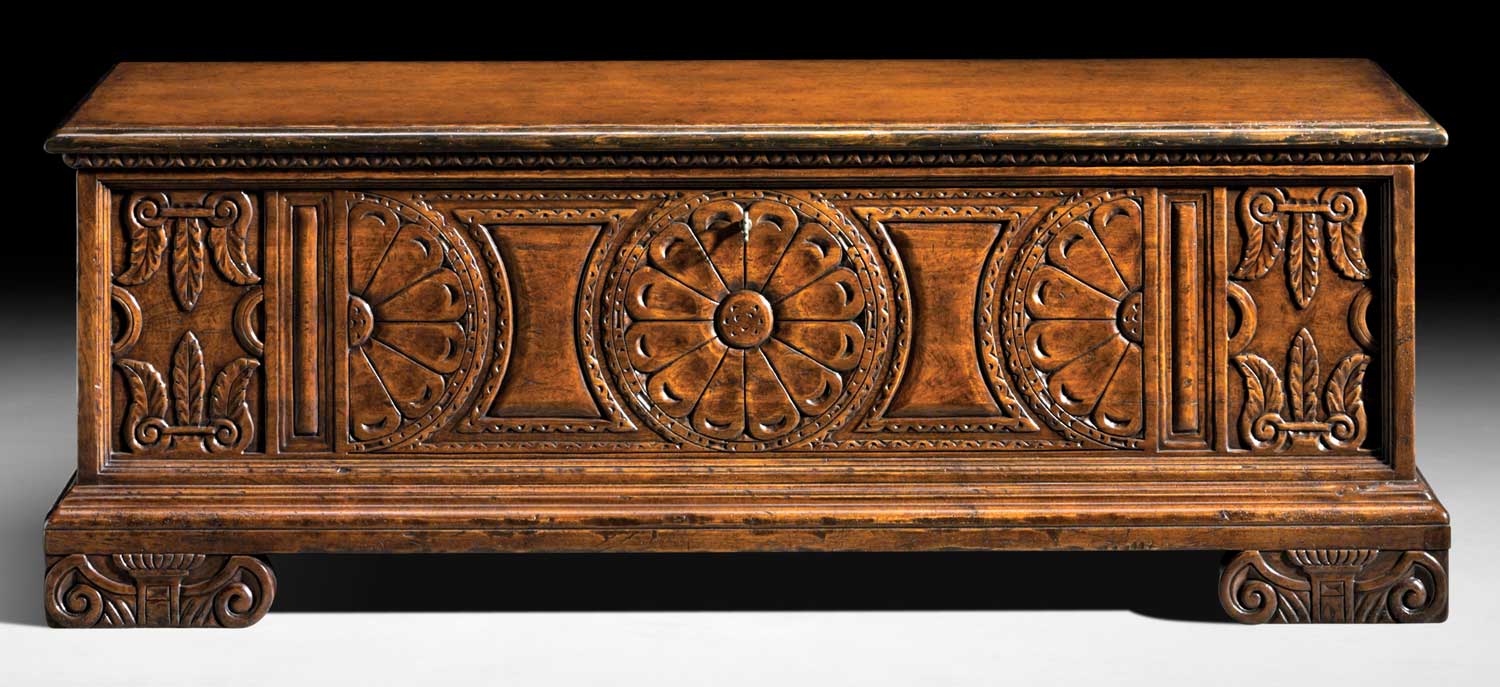
Introducing The Rinascita Collection

Where Renaissance Artistry Lives Again.

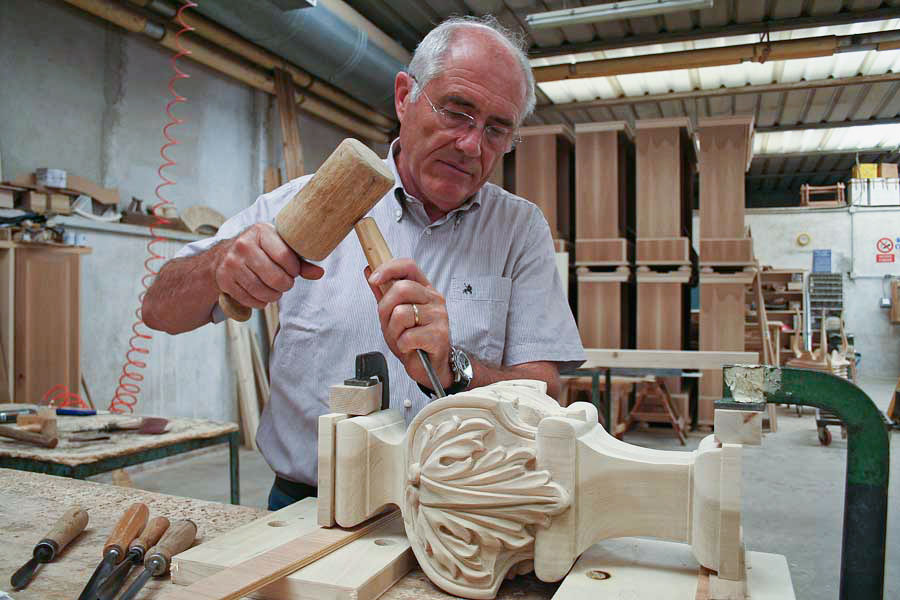
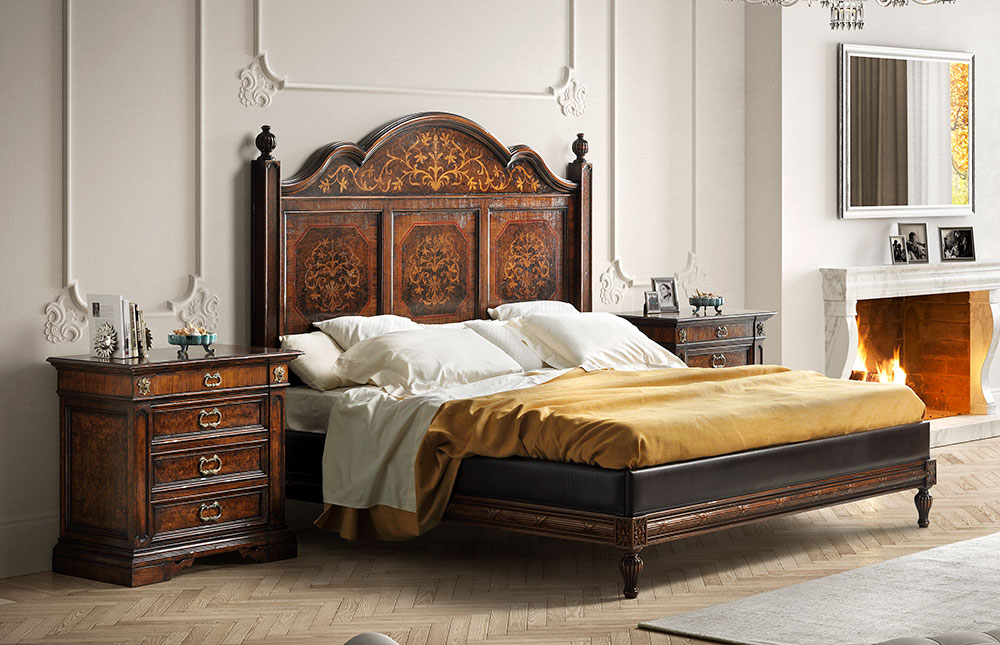
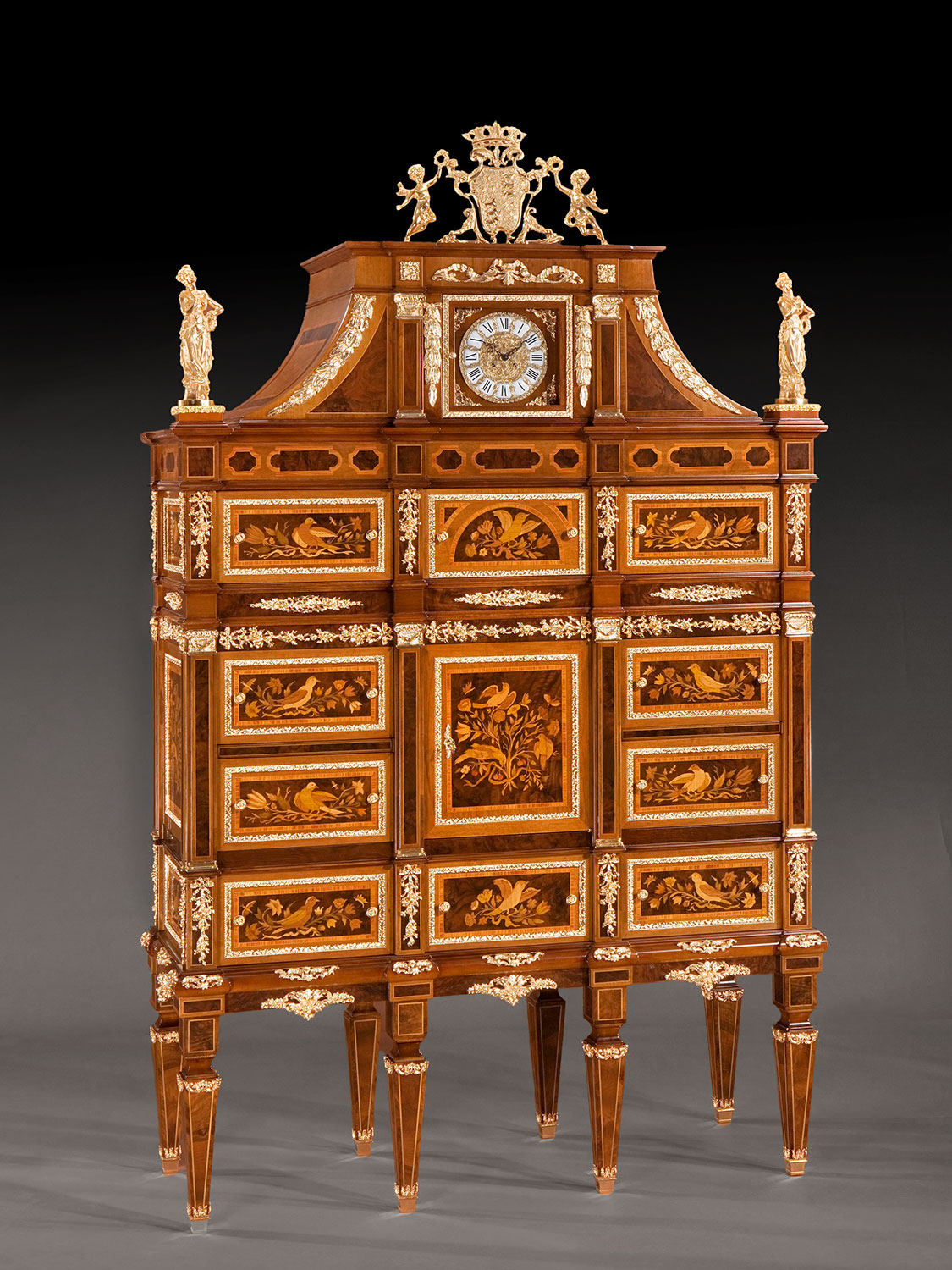
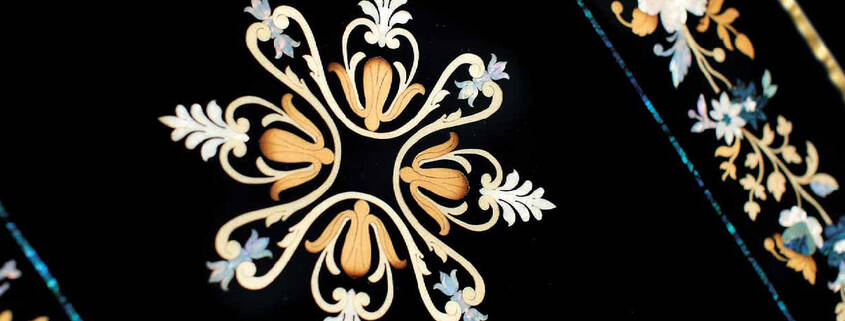
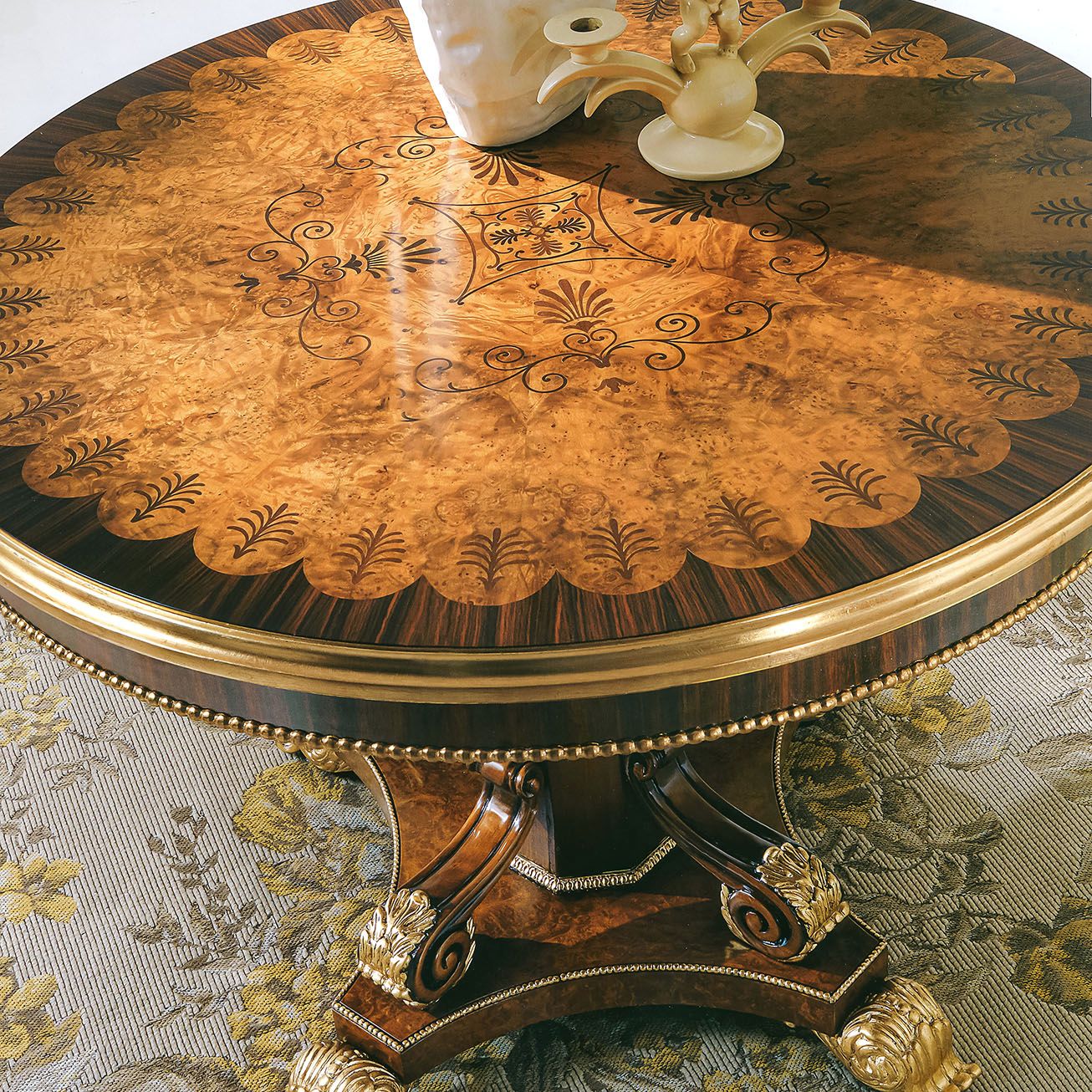
Handcrafted in Italy by master artisans, the Rinascita Collection revives one of the most revered decorative arts of the Italian Renaissance: Intarsia. Originating in the 13th and 14th centuries and flourishing in the courts of Florence, Siena, and Mantua, Intarsia became the preferred method of embellishing the private studies, chapels, and palazzi of Europe’s most powerful families. These wood inlay compositions were crafted with breathtaking precision—marquetry panoramas that imitated paintings, architectural illusions, scrolling arabesques, and botanical motifs symbolic of culture, learning, and nobility.
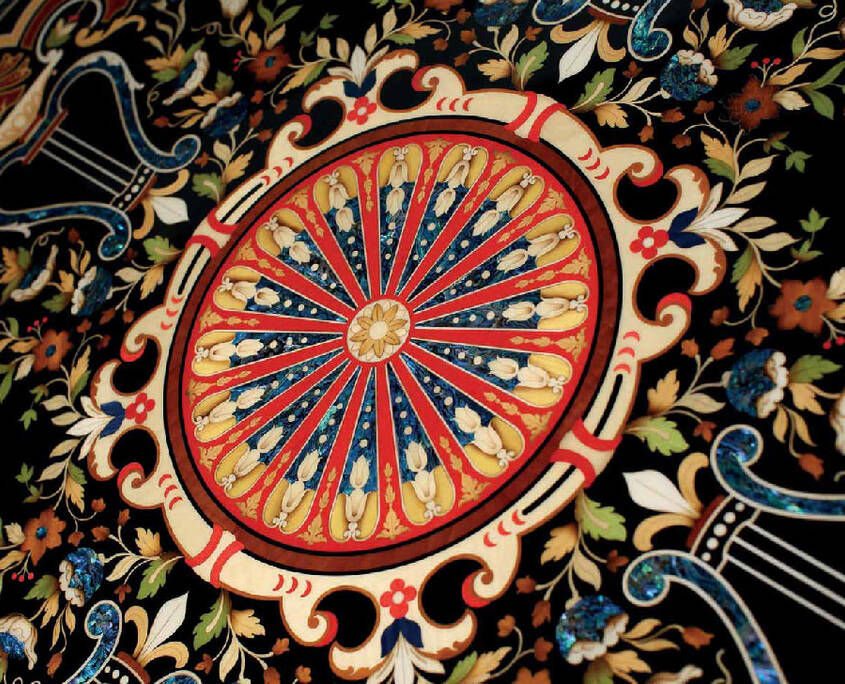
Inspired by this legacy, Rinascita reinterprets the spirit of the Renaissance through a modern lens. Each tabletop, panel, and decorative surface begins with a vision reminiscent of the famed craftsmen who once adorned the studioli of Federico da Montefeltro or the sacristies of Brunelleschi’s Florence.
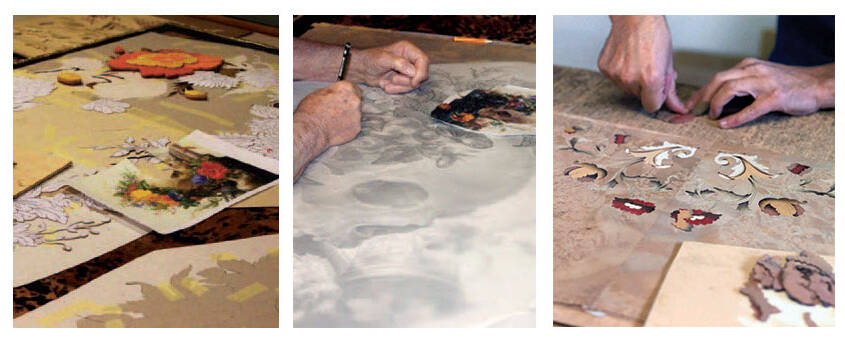
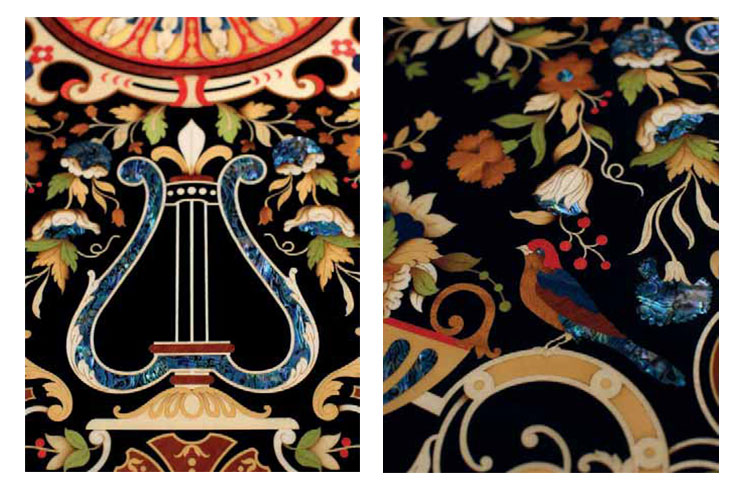
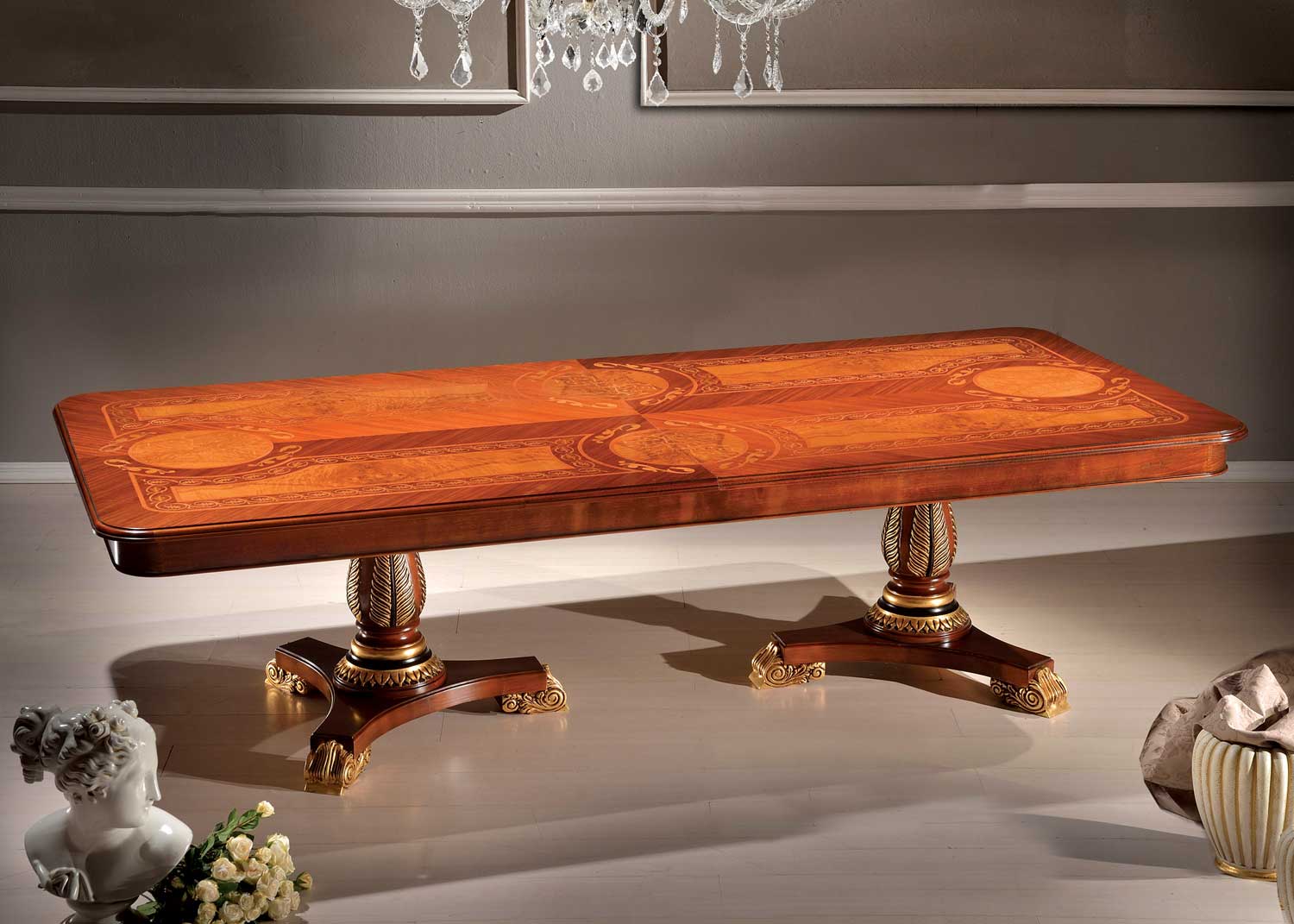
Veneers of natural woods and precious materials are hand-cut, shaded, and meticulously assembled—one fragment at a time—into floral garlands, medallions, and pictorial compositions. No two pieces are ever identical; each is a singular work reflective of the artisan’s hand and the expressive depth of the natural materials.
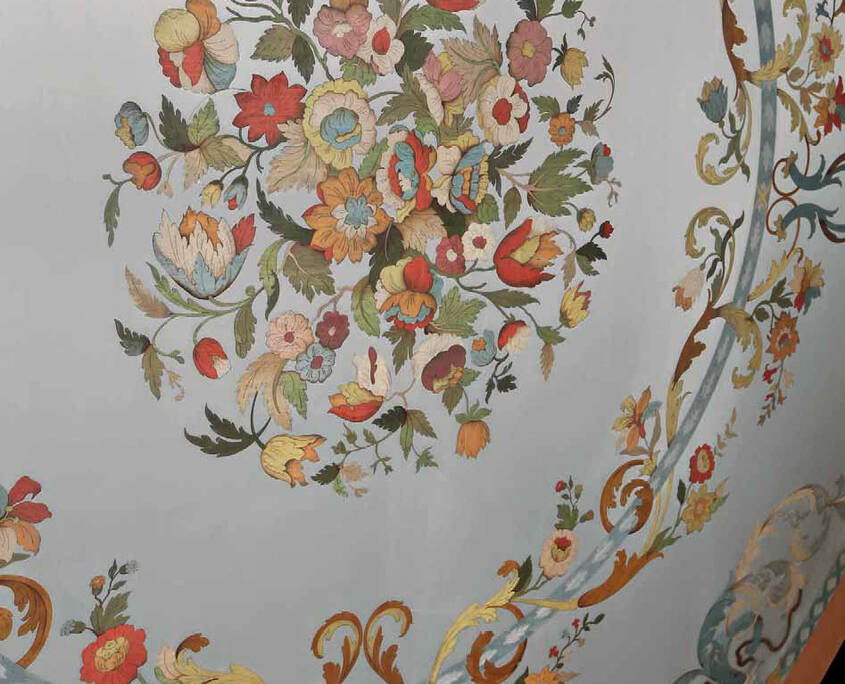
A shimmering aluminum background introduces a contemporary luminosity that echoes the Renaissance fascination with light and perspective.
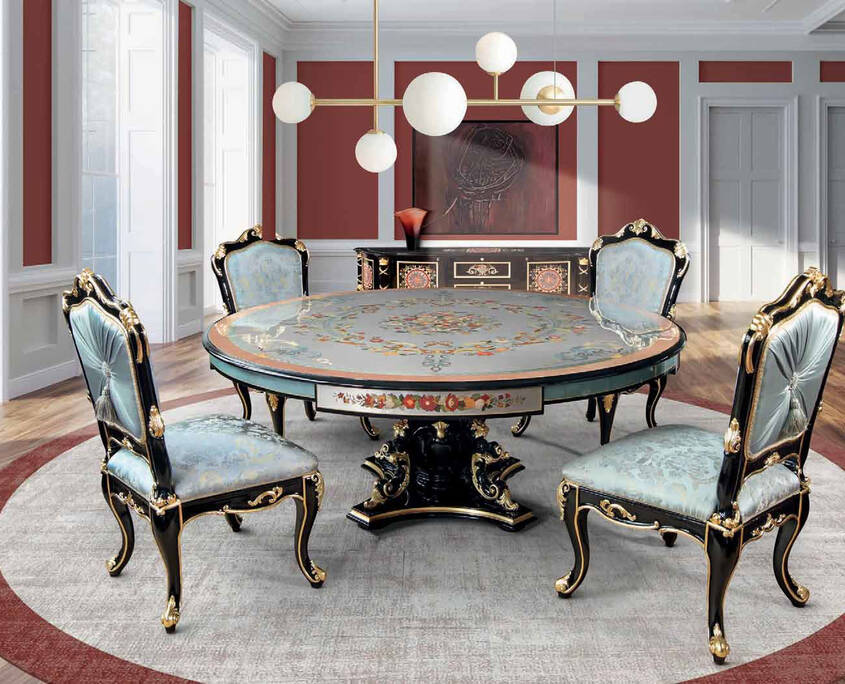
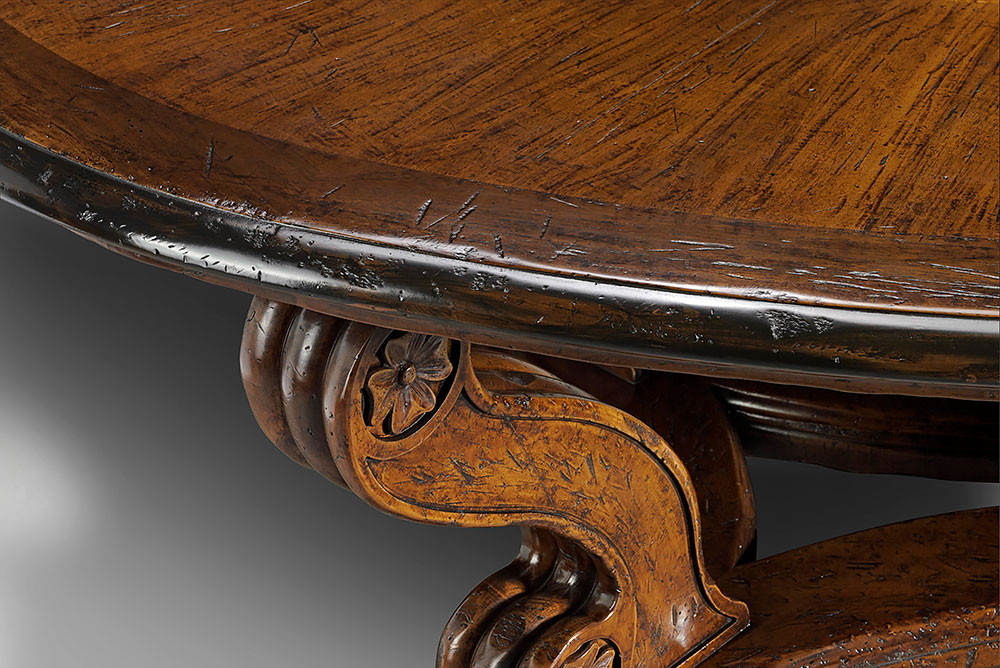
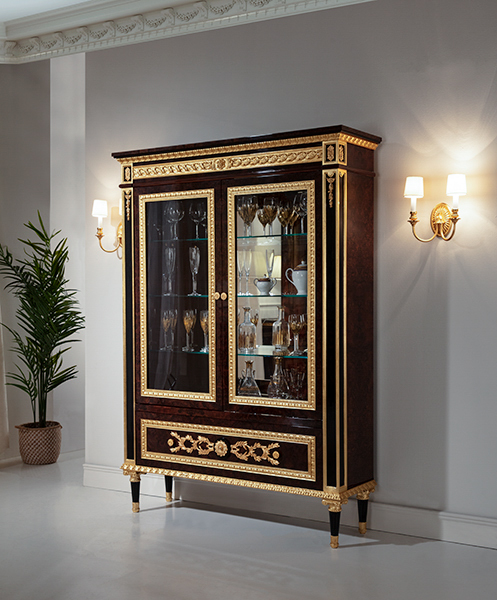
Rich frames in solid limewood (Tiglio). Lavishly carved and coated in a high-gloss black lacquer, gilded accents, and finely carved details pay homage to the architectural grandeur of historic Italian palazzi, while the overall silhouettes remain refined, balanced, and tailored for modern luxury interiors.
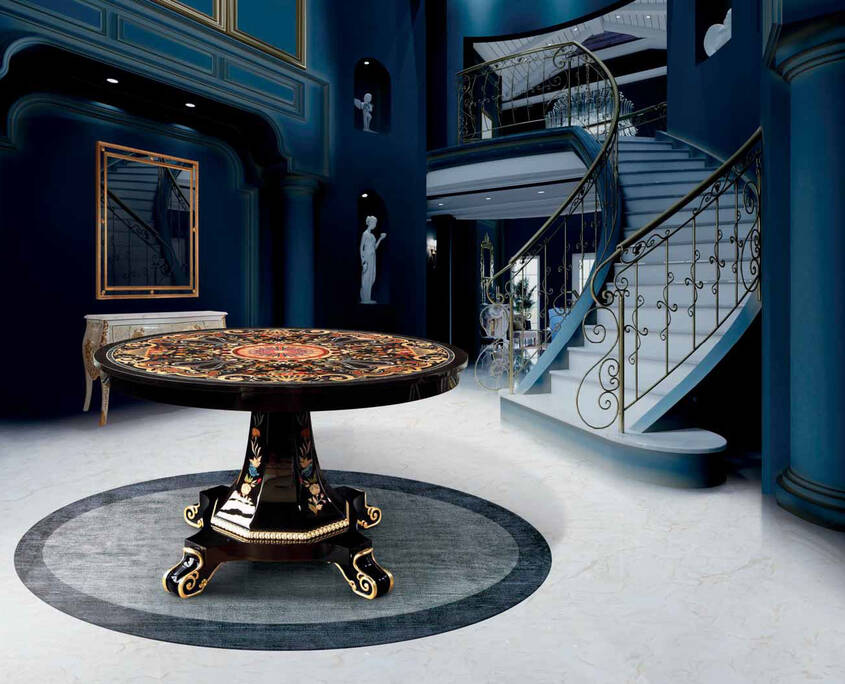
The result is a collection not merely of furniture, but of functional masterpieces, bridging centuries of artistic tradition. For collectors, connoisseurs, and designers seeking pieces of exceptional rarity, the Rinascita Collection offers the ability to bring museum-worthy craftsmanship into the home—each creation an heirloom destined to be admired for generations.
Customization & Bespoke Coordination

Every piece in the Rinascita Collection is individually handcrafted to order, honoring the centuries-old Italian tradition of creating fine furniture as a work of art rather than a manufactured object. Because each panel of Intarsia is cut, composed, and finished by hand, no two pieces are ever identical—each one carries the unique character of the artisan who creates it.
For clients seeking a singular statement piece or a fully harmonized interior, our artisans offer complete bespoke collaboration. Designs may be tailored in scale, configuration, wood species, finish, or decorative motif, ensuring that each commission reflects the client’s aesthetic vision while preserving the integrity of the historical craft.
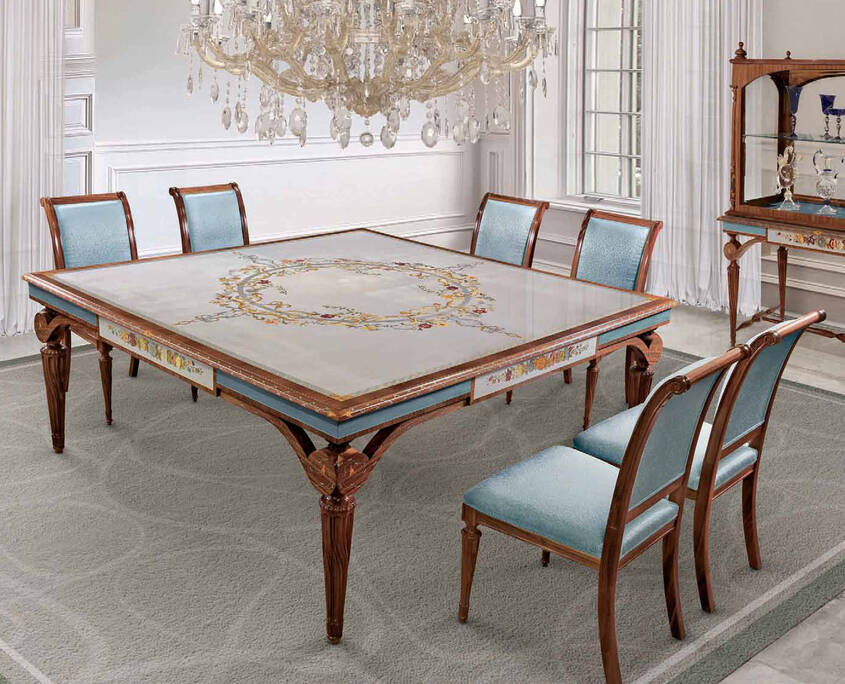
Whether crafting one exceptional table, a coordinated dining ensemble, or an entire suite of matching furnishings, the Rinascita Collection allows designers and collectors to curate spaces with unparalleled cohesion, artistic depth, and Italian heritage. Each creation is a testament to the enduring beauty of handmade Intarsia and the limitless possibilities of true customization.

For inquiries regarding bespoke commissions or pieces of this caliber, we invite you to contact David Michael Furniture (434) 237-3526 ext 1003 for a personal consultation.
 

High Point Furniture Market – Fall 2025

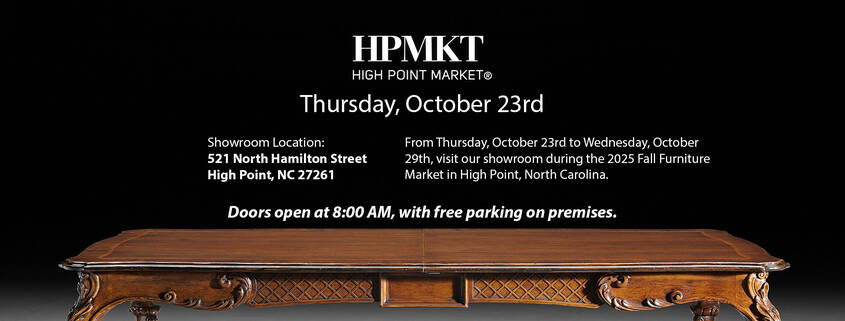
Thursday, October 23rd 2025

Showroom Location: 521 North Hamilton Street, High Point, NC 27261

You’re Invited!
From Thursday, October 23rd to Wednesday, October 29th, we warmly invite you to visit our showroom during the 2025 Fall Furniture Market in High Point, North Carolina. Doors open at 8:00 AM, with free parking on premises.

“Modern trends fade. Italian beauty lasts forever.”

In today’s world of mass-produced and disposable furniture, Italian craftsmanship stands as a lasting symbol of artistry and heritage.

At David Michael, our selection of fine Italian furnishings continue to balance history with modern living, offering bespoke finishes and custom options to suit both classical and contemporary interiors.

“The art of Italian living, reimagined for today.”


Traditional Italian furniture is not a passing trend, but a timeless investment —built from solid woods, marble, crystal, and gold leaf accents which are brought to life by the hands of skilled artisans whose traditions stretch back centuries.

Original Antiques

We are proud to present an exclusive collection of original European antiques— rare, one-of-a-kind pieces, each meticulously restored by master Italian artisans. These timeless treasures are available in limited quantity and shown alongside our newest introductions in fine European furnishings.

An Unmissable Opportunity

This is your chance to experience the finest in high-end, European craftsmanship. Don’t miss the opportunity to explore our collection in person and see what David Michael has to offer.

If you would like more information, please contact us at (434) 237-3526.
We look forward to welcoming you!

David Michael Showroom
521 North Hamilton Street
High Point, NC 27261

An Introduction to Purchasing High-End European Furniture

Why It’s Different—and Why It’s Worth It

In a world of instant gratification and flat-pack convenience, high-end European furniture stands in stark contrast. It’s not about speed. It’s about craftsmanship, heritage, and quality that spans generations. While many online furniture retailers promise fast shipping and budget pricing, they often deliver mass-produced, flat-packed pieces that lack the character and integrity of true European craftsmanship.

Made to Order, Handcrafted in Europe

At David Michael, 100% of our furniture is handcrafted in Italy, Spain, or France and made to order. Each piece is built by skilled artisans using time-honored techniques passed down through generations. These craftsmen work with solid woods, fine veneers, hand-applied finishes, and ornamental detailing that simply cannot be replicated in mass production.

Made-to-order production is an intentional process. It typically takes 90 days or more for a piece to be built from scratch, finished according to the designer’s specifications, and shipped by container to our facility in the United States. Once received, every piece is carefully unpacked, assembled, and inspected before being re-crated and shipped to our clients.

By contrast, many so-called “luxury” brands rely on large-scale production and overseas warehousing. Their products are designed for fast delivery in flat boxes—often requiring the buyer to complete final assembly with basic tools. While convenient, this process typically sacrifices long-term durability, refined aesthetics, and personalization.
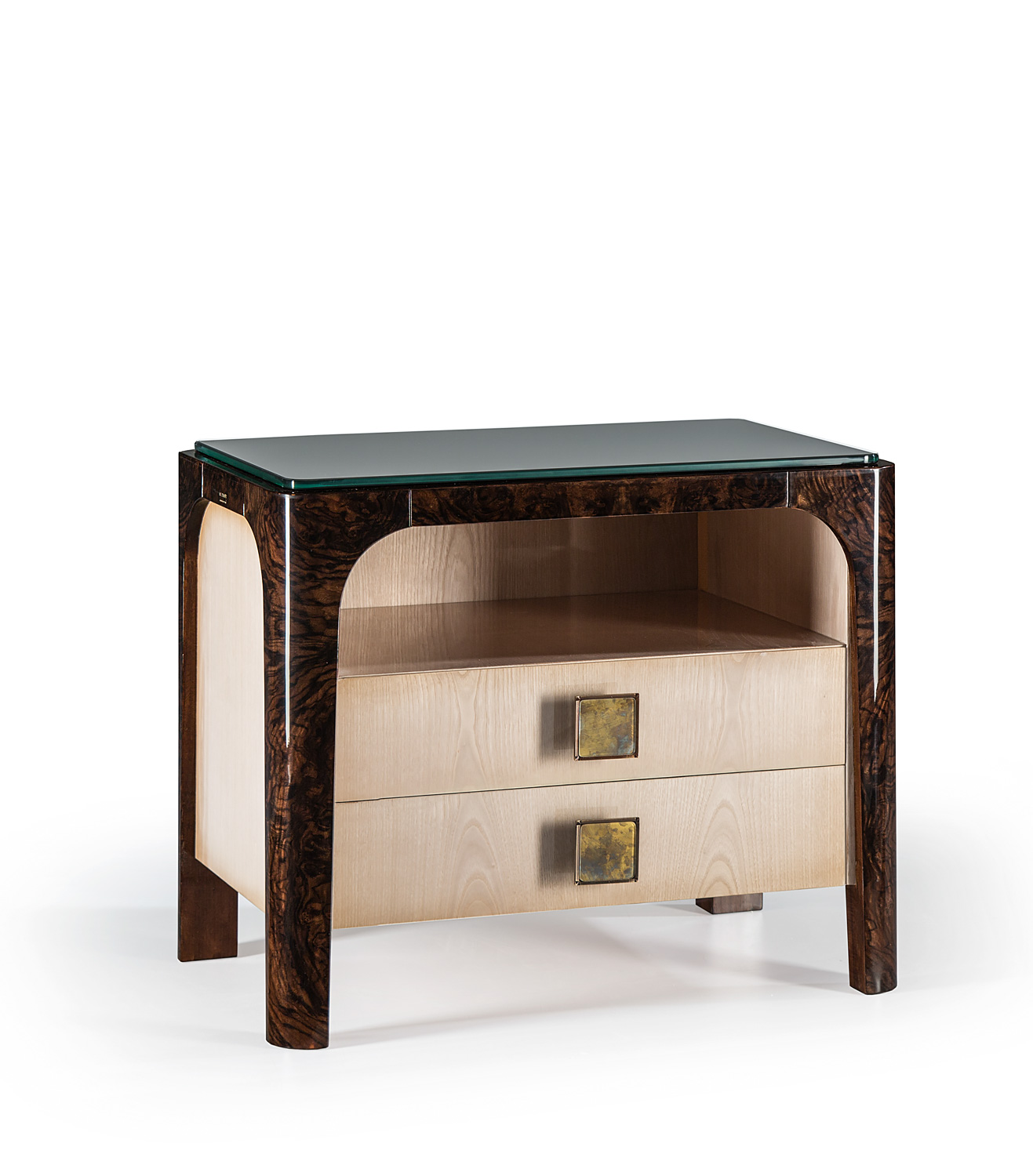
Built for Designers, Customized for You

We offer thousands of designs online, with the majority customizable in finish, fabric, and size. This level of detail and personalization is why our furnishings are trusted by the interior design community across the country.

Because of the complexity and customization involved, click-to-purchase ordering for custom products is not recommended. Each item requires consultation, careful planning, and coordination between client, designer, manufacturer, and logistics providers. This is not fast furniture—it’s heirloom-quality work meant to reflect individual style and last for generations.

Stocked and Ready in Virginia

To meet the needs of design professionals and customers with tighter timelines, we maintain a substantial inventory of our most popular designs—fully or partially assembled—at our warehouse in Lynchburg, Virginia. These in-stock pieces are carefully selected for their broad appeal and are ready to ship, offering the perfect balance of artisanal quality and timely delivery. Like all our furnishings, each stocked item is handcrafted in Europe and reflects the same exceptional standards as our made-to-order pieces.

If you see a piece online that interests you, feel free to contact us—there’s a good chance we may have it in stock as shown and ready to ship.

Why White Glove Service Matters

High-end European furniture requires expert handling. These are not items you can simply leave at the doorstep. Many pieces are partially or fully assembled, heavy, and fragile. They require white glove delivery service—trained professionals who place, assemble, and inspect the furniture in your home to ensure it arrives in flawless condition.
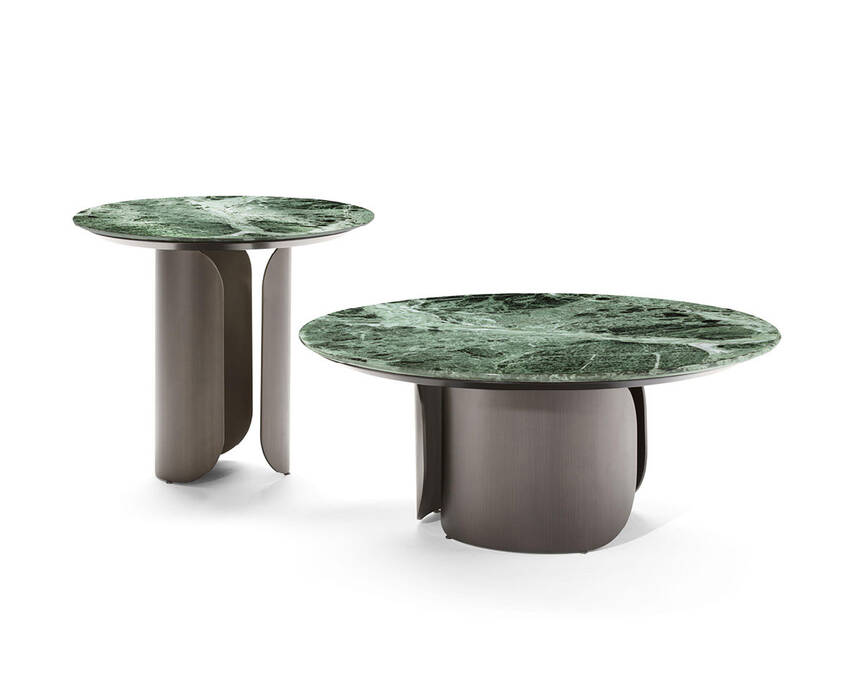
This level of care is vital to preserve the integrity of hand-applied finishes, delicate carvings, inlays, and premium materials such as marble, gold leaf, or fine upholstery.

Quality Takes Time—and Cost Reflects It

True luxury is defined by what goes into a piece: solid hardwoods, hand-cut marquetry, hand-carved detailing, 24K gold accents, and time-consuming finishing techniques. It is also defined by what is not used: no particle board, no synthetic veneers, and no shortcuts.

The price difference between handcrafted European furniture and mass-produced alternatives is significant—and for good reason. You’re not paying for a box in a warehouse. You’re investing in artistry, customization, and enduring value

Planning for International Logistics

Because these items are built to order in Europe, delays can occasionally occur during transit—especially in international freight or customs clearance. While most deliveries remain within projected timelines, we encourage clients to plan ahead and understand that the same patience and planning required to build the furniture also applies to its safe delivery.

Conclusion

High-end European furniture is not about fast fashion or quick delivery—it’s about timeless design, enduring quality, and the legacy of true craftsmanship. While the process may take longer and cost more, the result is a level of beauty, customization, and value that mass-produced furniture simply cannot achieve.

For those who appreciate artistry, refinement, and the luxury of bespoke design, there is no substitute.

The Beauty of Rustic Elegance

Why Distressed Finishes Define High-End European Reproductions

In the realm of fine European furnishings, the rustic look is more than a stylistic choice—it’s a reflection of heritage, craftsmanship, and timeless beauty. At David Michael, we celebrate this aged aesthetic not as imperfection, but as intentional artistry rooted in history.

Authenticity You Can See and Feel

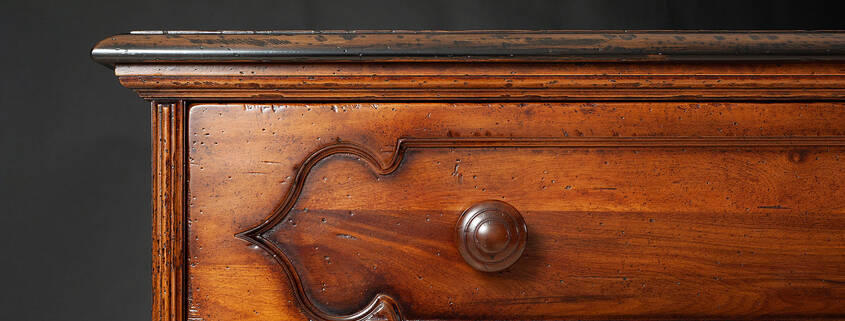
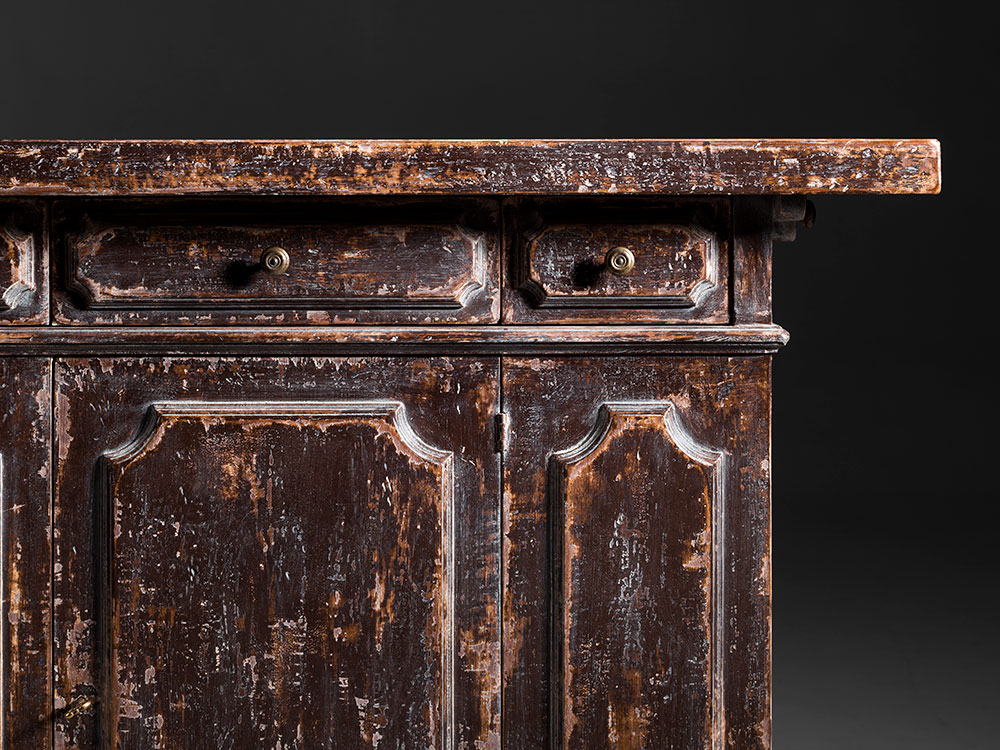
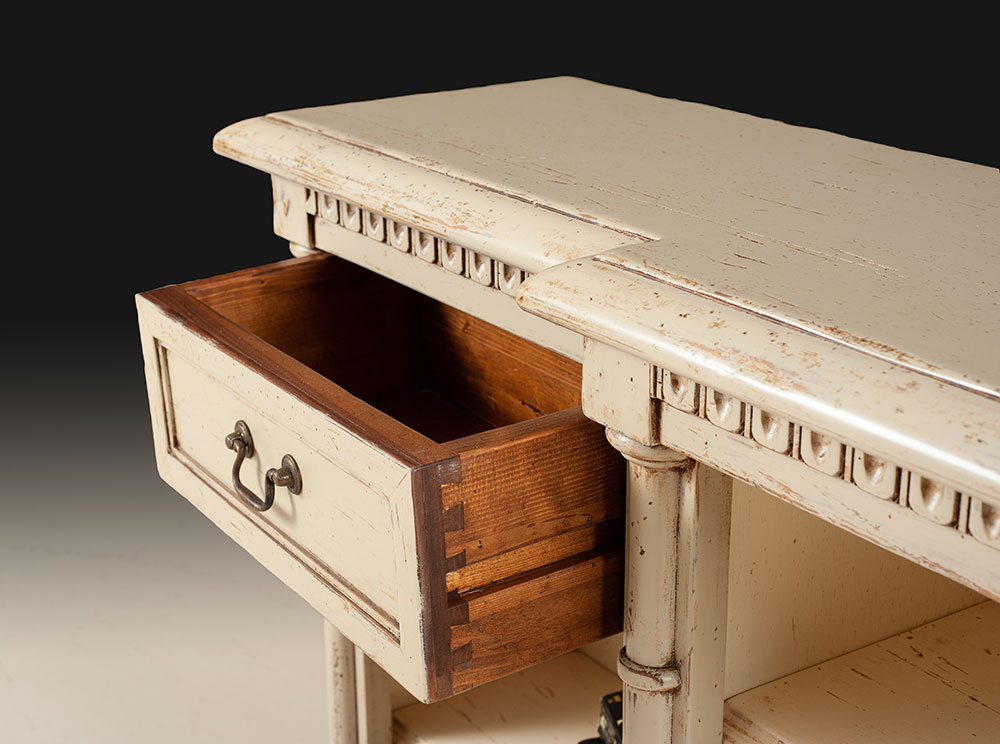
European antiques passed down through generations bear the subtle marks of time—worn edges, faded tones, softened surfaces. Our rustic finishes faithfully replicate these characteristics, creating new pieces that feel as though they’ve lived a hundred years. Each scratch, rub, and patina is applied by hand to honor the soul of the original.

Refined Imperfection, Artisan-Crafted

The “beat-up” look is anything but accidental. It requires skilled craftsmanship and traditional techniques—from hand-planing and distressing to layered staining and wax application. These effects are carefully controlled to mimic natural aging, resulting in furniture that’s both elegant and enduring.
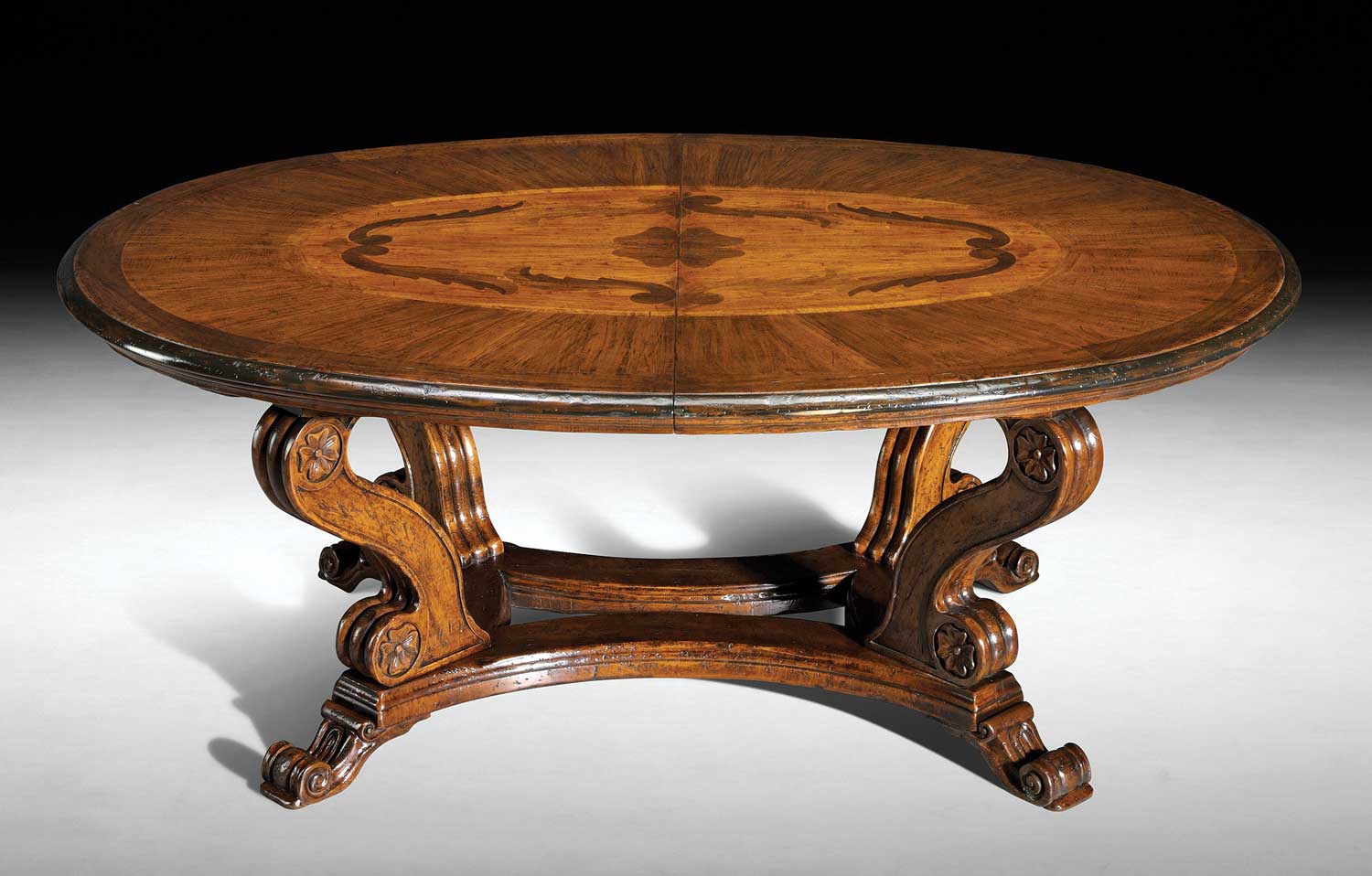
Warmth That Transcends Time

Unlike polished, modern finishes, rustic furniture offers a lived-in charm that makes any space feel grounded, welcoming, and full of character. It blends effortlessly into a variety of interiors—from Tuscan villas and French farmhouses to transitional and modern homes.

Cultural Reverence for the Past

In European design tradition, there’s a deep respect for the past. Rustic furniture reflects this ethos, rooted in the graceful aging of heirlooms and the quiet luxury of well-worn beauty. It speaks of permanence, place, and craftsmanship passed from one generation to the next.


Timeless Value

While rustic in appearance, these are not casual pieces—they are high-end, handcrafted furnishings built to last a lifetime. Their aged look is paired with solid construction, premium materials, and high resale value—making them both beautiful and enduring.

Rustic is not rough—it’s refined.
It’s history made new. It’s old-world craftsmanship with modern relevance.
It’s the David Michael difference.

2025 Spring Furniture Market

Thursday, April 24th – Doors Open!

From Thursday, April 24th to Wednesday, April 30th, we warmly invite you to visit our showroom during the 2025 Spring Furniture Market in High Point, North Carolina. Our doors open at 8:00 AM, with free parking available for your convenience.

Discover the Latest in High-End European Design


Custom Creations for Designers

Catering to interior designers, we offer a vast array of custom-built, exclusive furnishings, meticulously crafted to meet your specific needs. Whether you’re looking for rare antique reproductions, bespoke David Michael designs, or elegant styles such as Tuscany, Country French, and Italian Formal, you’ll find something to inspire your projects.


Join David and Michael Srougi as they host this exclusive 6-day event, unveiling the latest trends in luxury home furnishings and one-of-a-kind accessories imported directly from Europe. Our expert team will be available to answer your questions and provide insights into these exceptional pieces.

Original Antiques

This season, we are proud to present an exclusive collection of original European antiques—rare, one-of-a-kind pieces, each meticulously restored by master Italian artisans. These timeless treasures are available in limited quantity and shown alongside our newest introductions in fine European furnishings.

An Unmissable Opportunity

This is your chance to experience the finest in high-end, European craftsmanship. Don’t miss the opportunity to explore our collection in person and see what David Michael has to offer.

David Michael Showroom
521 North Hamilton Street
High Point, NC 27261

We look forward to welcoming you!

New Lighting For 2025

Extraordinary Italian craftsmanship, a tribute to timeless grandeur.

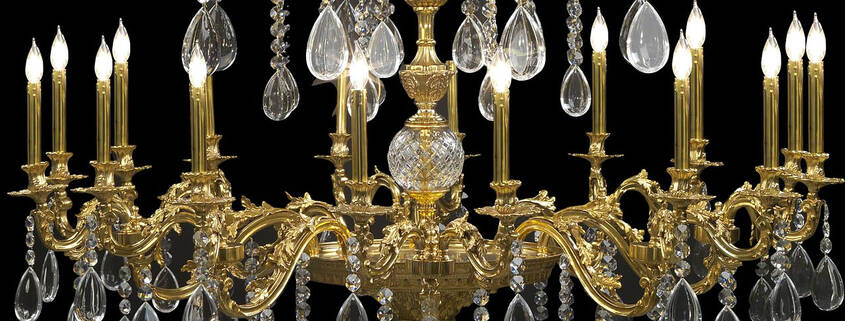
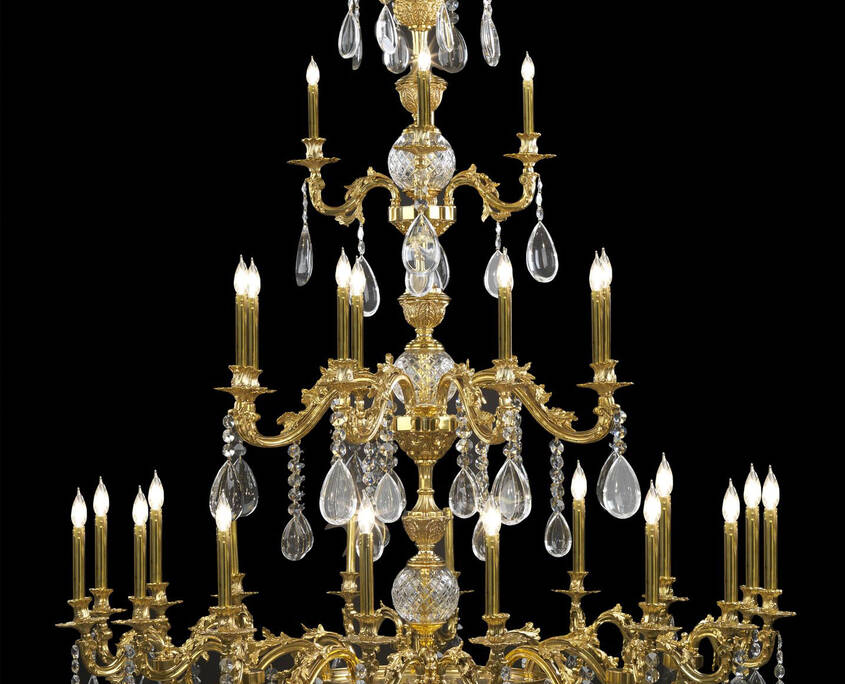
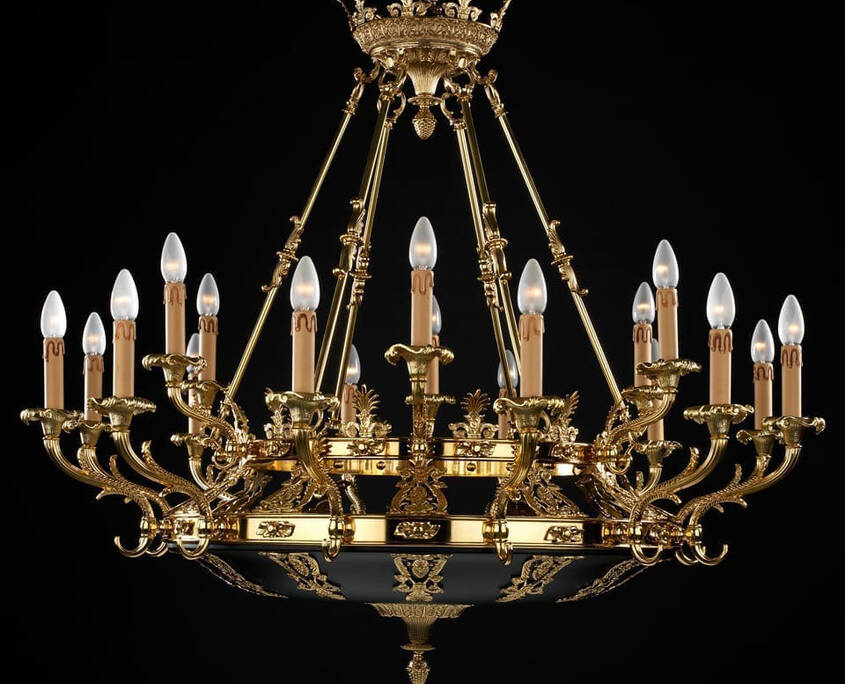
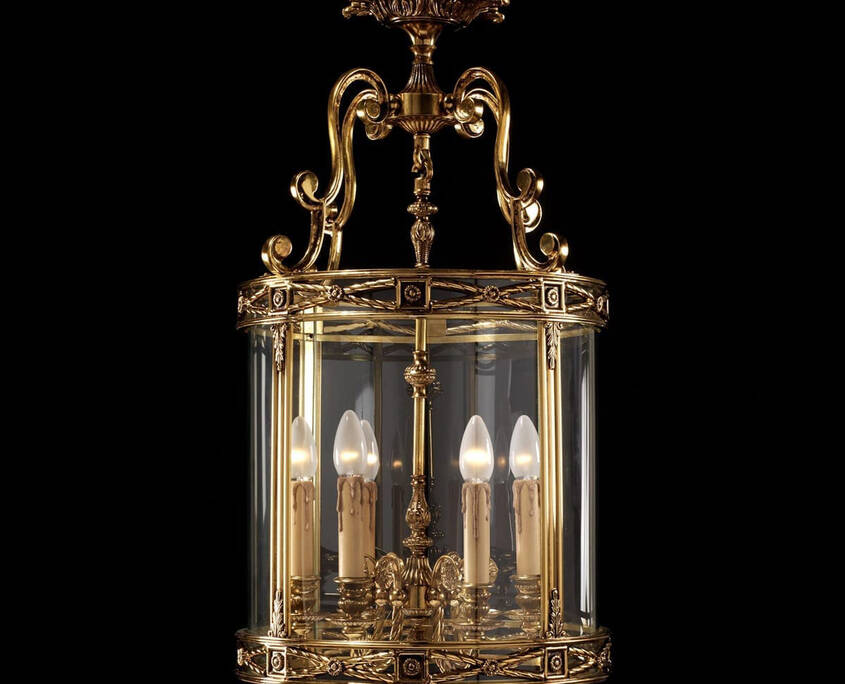
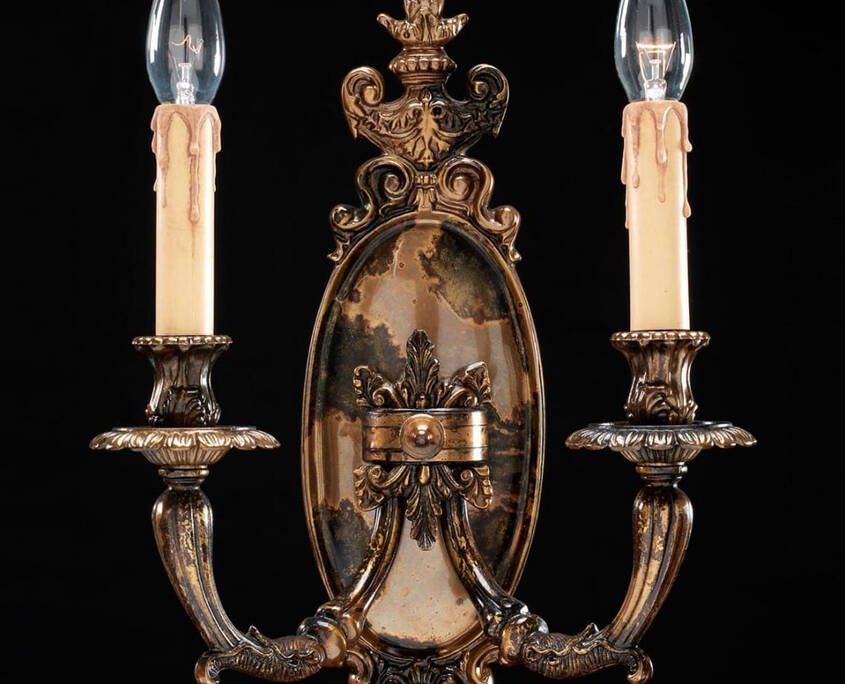
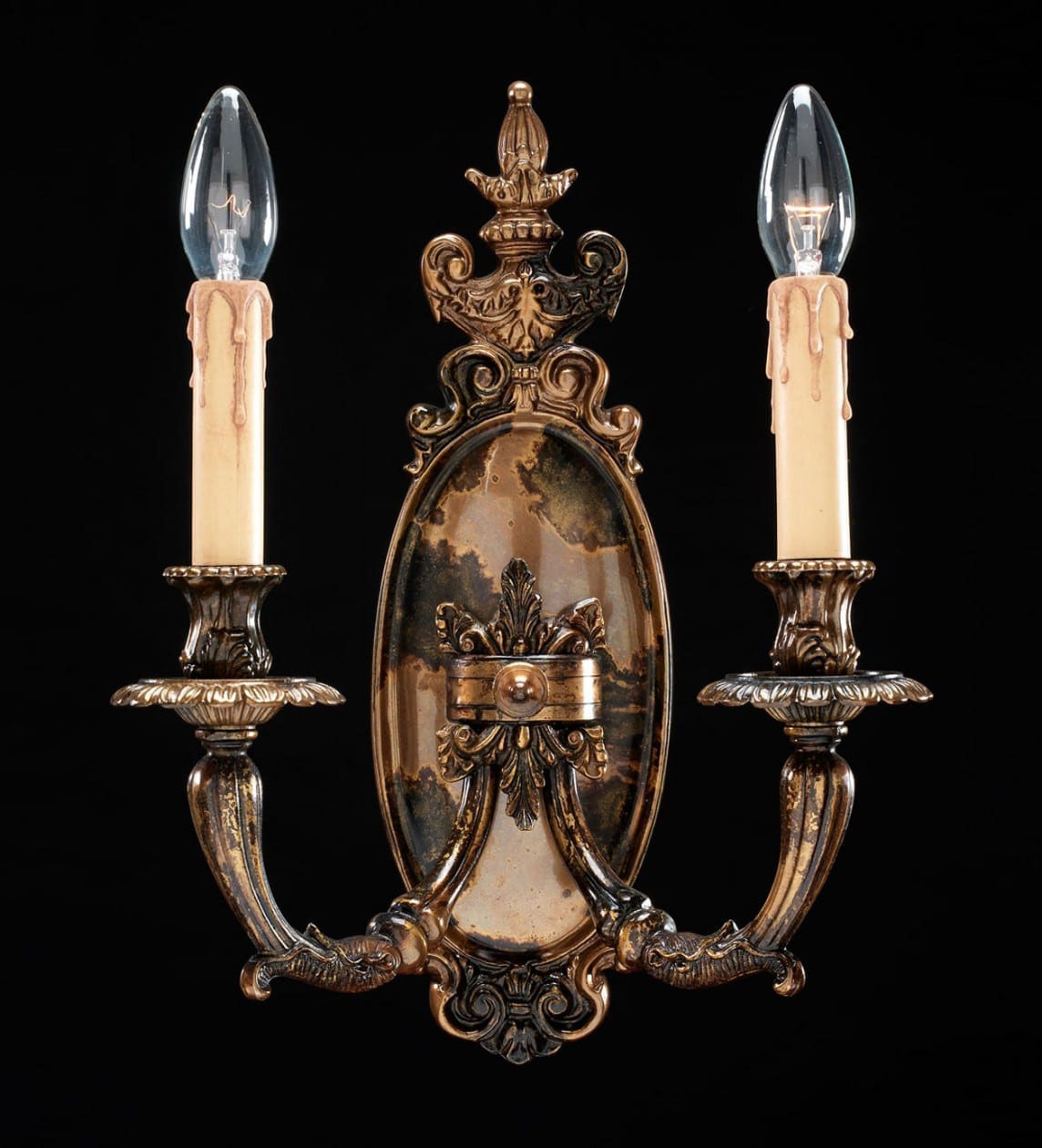
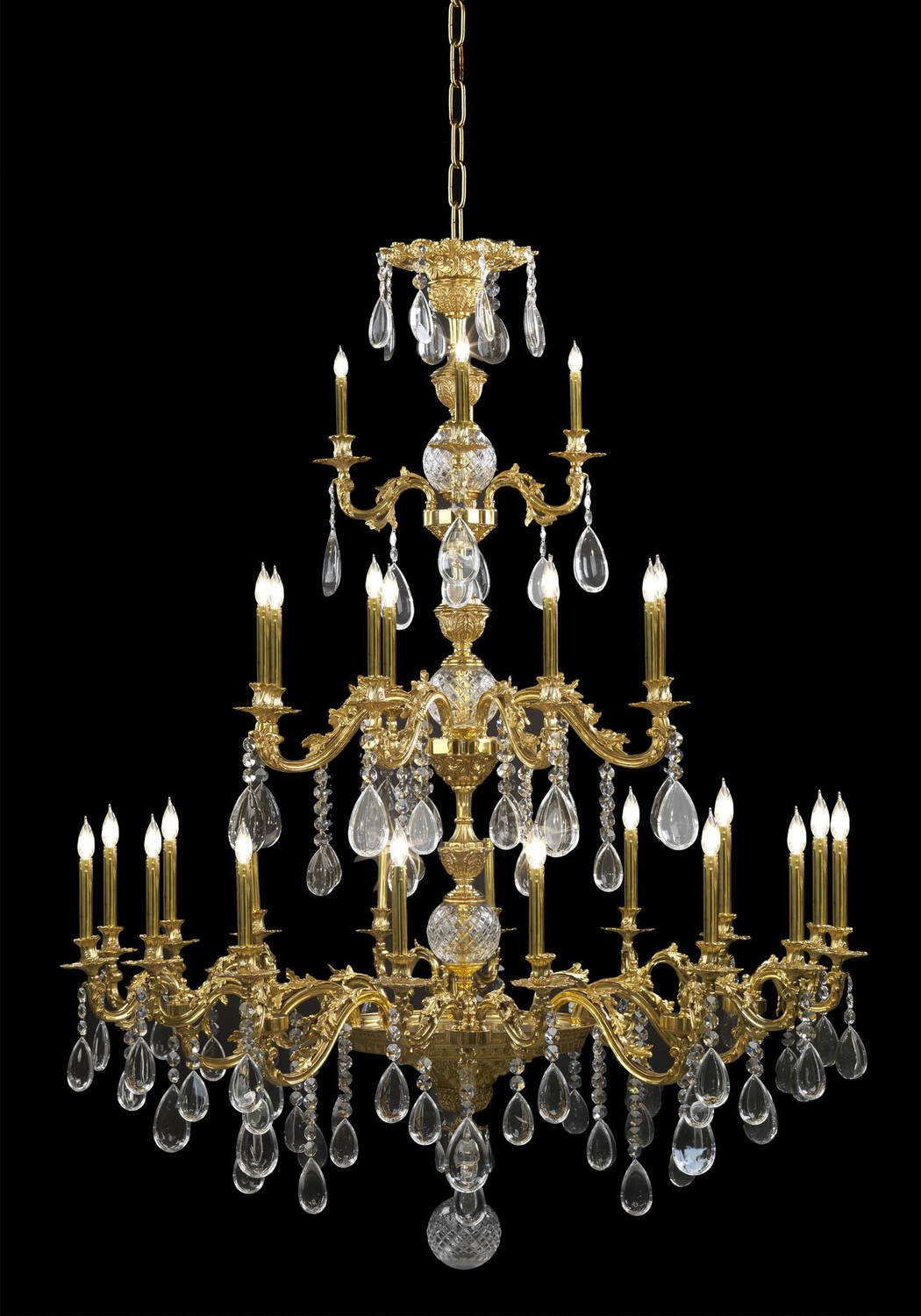
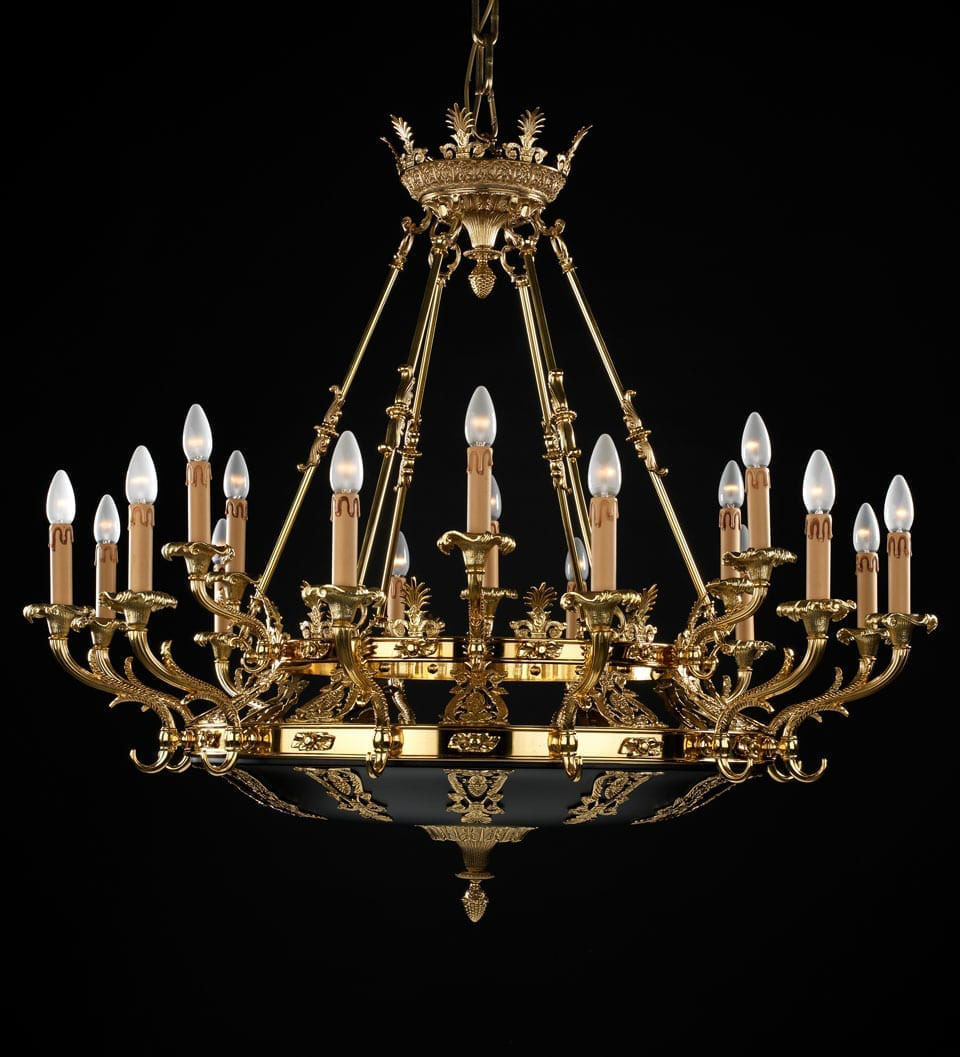
We are proud to introduce over 120 new chandeliers and sconces to our lighting collection for 2025. Inspired by the opulence of Old World European design, these masterpieces reflect the grandeur of the Rococo and Louis XIV styles, renowned for their intricate ornamentation, fluid curves, and regal elegance. Each piece is cast from solid brass, embodying the craftsmanship and enduring beauty that defined the palatial residences of 17th- and 18th-century Europe.

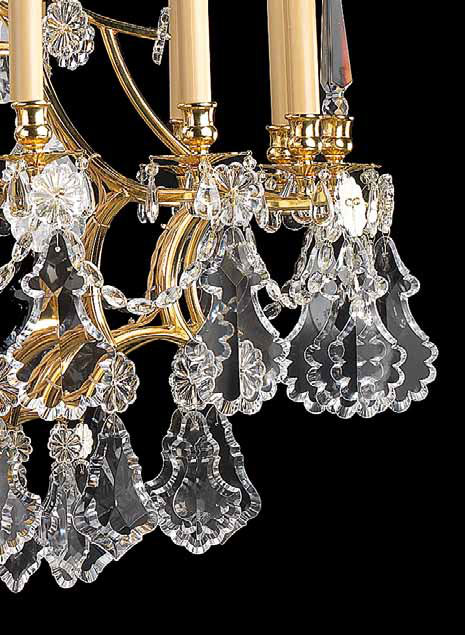
The “BL” Series chandeliers and sconces can be adorned with a selection of exquisite hand-cut crystal elements, including Bohemian, Asfour, Swarovski, and Rock Crystal—each chosen for its unparalleled clarity and brilliance. A diverse range of rich, hand-applied finishes ensures a perfect complement to the most refined interiors, from stately neoclassical settings to lavish baroque-inspired spaces.


Our latest collection of  lighting showcases the artistry of Italian craftsmanship, blending exquisite materials with refined design. From grand chandeliers to delicate sconces, each piece hand crafted, enriched with luxurious finishes, and adorned with hand-cut crystal details. Designed for those who appreciate sophistication, these luminous masterpieces bring warmth, opulence, and distinction to any space.

To see the newly added BL series, please visit our “Lighting” Section under products in the main menu or click on the link below.

As always, new products are first to be presented in each category.

All About Tuscany Italian Furniture

Tuscan furniture, is inspired by the rustic and charming aesthetics of the Tuscan region of Italy. This style draws heavily from the natural beauty, history, and culture of Tuscany, reflecting its warm, welcoming, and earthy atmosphere. The style reflects centuries of tradition, craftsmanship, and the blending of various cultural influences. Here’s a brief history of Tuscany style furniture:

1. Medieval Origins (9th–15th Century)

The origins of Tuscan furniture can be traced back to the medieval period when Tuscany was a collection of city-states and rural communities. During this time, furniture was primarily functional, made to meet the needs of everyday life in farmhouses and monastic settings. Furniture pieces were simple, heavy, and sturdy, crafted from locally available woods like walnut, chestnut, and cypress. Iron and metal were also used for hardware and decorative elements.

During the Middle Ages, the furniture was mostly crafted by local artisans and carpenters who relied on hand tools and simple techniques. The designs were straightforward, reflecting the rustic lifestyle of the Tuscan people.

2. Renaissance Influence (14th–17th Century)

The Renaissance, which began in Florence, Tuscany’s capital, had a profound impact on the region’s furniture design. As art, culture, and intellectual pursuits flourished, furniture styles began to reflect the more refined tastes of wealthy patrons, nobility, and the burgeoning merchant class.

Renaissance furniture in Tuscany began to incorporate more ornate and intricate designs, featuring detailed carvings, inlays, and classical motifs like acanthus leaves, scrolls, and floral patterns. Furniture became more than just functional—it was a reflection of status, wealth, and artistic taste. Tuscan craftsmen drew inspiration from classical antiquity, incorporating elements such as columns, pediments, and balustrades.

3. Baroque and Rococo Influence (17th–18th Century)

As the Renaissance gave way to the Baroque and later the Rococo periods, Tuscan furniture became more elaborate, incorporating curved lines, gilded finishes, and luxurious upholstery. However, Tuscan artisans retained a preference for natural materials and a more restrained aesthetic compared to the more extravagant styles in other parts of Europe, like France.

The Baroque influence brought a more dramatic and ornate look to some furniture pieces, with heavy carvings and detailed gilding, while the Rococo period softened these designs, adding lighter, more delicate elements.

4. Return to Simplicity (18th–19th Century)

In the late 18th and 19th centuries, as Europe went through industrial and social changes, there was a shift back to simpler, more functional designs. In Tuscany, this was reflected in the continued use of local materials and traditional craftsmanship. The Neoclassical movement also influenced furniture design, with cleaner lines and more understated decorations inspired by Greco-Roman antiquity.

During this time, the rustic charm of Tuscan farmhouses became fashionable, especially among English and Northern European visitors who admired the simplicity and natural beauty of the region. The Grand Tour, a cultural journey through Europe popular among the British upper class, often included a stop in Tuscany. This exposure helped spread the appeal of Tuscan-style interiors.
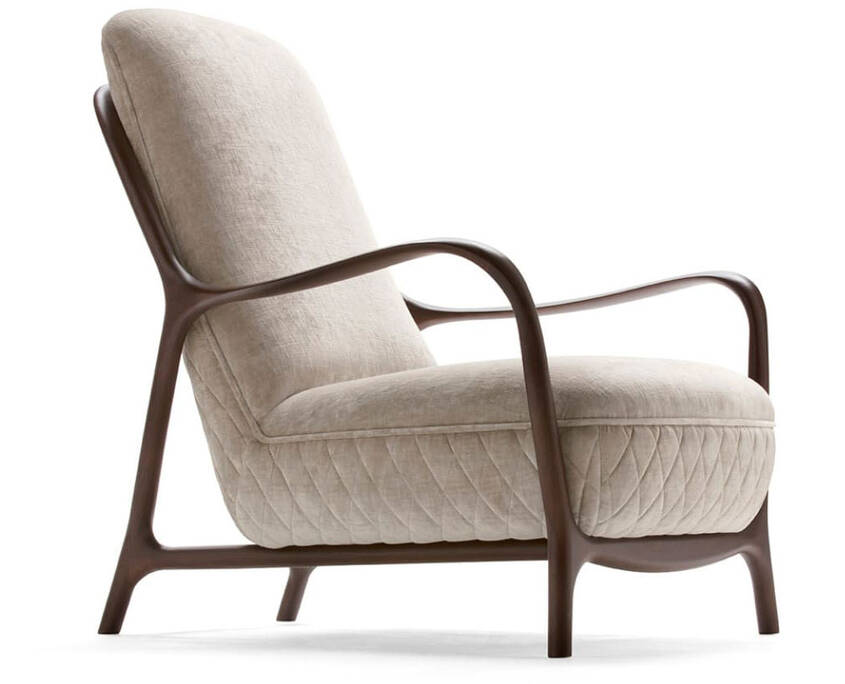
5. 20th Century Revival and Popularization

In the 20th century, Tuscany style furniture experienced a revival, particularly in the United States and other Western countries. Inspired by the Arts and Crafts movement and a growing appreciation for hand-crafted, artisanal furniture, designers and homeowners embraced the rustic, warm aesthetic of Tuscan furniture.

This period saw a renewed interest in the traditional craftsmanship, materials, and designs associated with Tuscany. The trend coincided with a broader appreciation for Mediterranean-style architecture and interior design, leading to an increase in popularity for Tuscan-style villas, farmhouses, and furnishings.

6. Contemporary Interpretations (21st Century)

Today, Tuscany style furniture continues to be popular for its timeless appeal, warmth, and connection to nature. Contemporary versions blend the rustic elements of traditional Tuscan furniture with modern design principles. While maintaining its characteristic earthy colors, natural materials, and sturdy construction, contemporary Tuscan furniture may feature sleeker lines, minimalist detailing, or mixed materials like glass and steel.

The style has been adopted worldwide, often seen in homes that aim to evoke a warm, welcoming atmosphere. It remains a favorite for those who value craftsmanship, natural beauty, and a sense of history in their home decor.

The history of Tuscany style furniture is a story of evolution from simple, functional pieces to more ornate designs, influenced by Renaissance and Baroque art, and back to a rustic simplicity that emphasizes natural materials and timeless craftsmanship. Today, it combines historical elements with contemporary trends, offering a warm, inviting, and elegant style that connects the past with the present.

Popular Design Styles of Italian Furniture

Italian furniture encompasses a variety of styles that reflect the country’s rich design heritage, from its classical roots to its cutting-edge modern creations. Here’s a breakdown of some of the most popular styles of Italian furniture:

1. Classical Italian Furniture:

  • Baroque Style:
    • Era: 17th to early 18th century
    • Characteristics: Dramatic, ornate, and lavishly detailed. Features include intricate carvings, heavy use of gilding, rich upholstery, and bold colors.
    • Common Pieces: Elaborately carved wooden armchairs, consoles, and cabinets; large dining tables with decorative legs; and grand canopy beds.
    • Materials: Dark woods like walnut, rich fabrics such as velvet and silk, and elements like marble and gold leaf.
  • Renaissance Style:
    • Era: 14th to 17th century
    • Characteristics: Symmetrical designs, architectural influences (such as columns and pediments), and an emphasis on proportion and harmony. Furniture often features inlays, intarsia, and classical motifs like laurel wreaths, acanthus leaves, and mythological figures.
    • Common Pieces: Sturdy wooden chests (cassone), credenzas, chairs with straight backs, and tables with trestle bases.
    • Materials: Dark woods (walnut, oak), intricate marquetry, metal accents, and rich fabrics.
  • Neoclassical Style:
    • Era: Late 18th to early 19th century
    • Characteristics: Inspired by the classical art and architecture of ancient Rome and Greece, this style emphasizes clean lines, minimal ornamentation, and balanced proportions. Common elements include fluted legs, columns, and classical motifs like swags and medallions.
    • Common Pieces: Dining tables with tapered legs, elegant chairs with curved backs, and sideboards with brass inlays.
    • Materials: Lighter woods (such as cherry or mahogany), marble, and fabrics like linen and damask.

2. Mid-Century Modern Italian Furniture:

  • Era: 1940s to 1970s
  • Characteristics: Characterized by sleek lines, organic shapes, and innovative materials. This style blends form with function, resulting in furniture that is both practical and aesthetically pleasing. It often incorporates experimental materials such as molded plywood, metal, and plastic.
  • Common Pieces: Low-profile sofas, armchairs with sculpted frames, minimalist coffee tables, and modular shelving units.
  • Designers: Gio Ponti, Franco Albini, Achille and Pier Giacomo Castiglioni, and Carlo Mollino.
  • Materials: Wood, leather, glass, metal, and plastic.

3. Modern and Contemporary Italian Furniture:

  • Era: 1980s to present
  • Characteristics: Emphasizes minimalism, clean lines, and a mix of high-tech materials with traditional ones. Modern Italian furniture focuses on innovation, functionality, and comfort while maintaining a sleek, stylish appearance. Contemporary designs often use neutral color palettes with occasional bold accents.
  • Common Pieces: Modular sofas, streamlined dining tables, minimalist shelving units, and innovative lighting solutions.
  • Materials: A combination of wood, metal, glass, leather, and innovative fabrics.

4. Rustic and Tuscan Style:

  • Era: Traditional but continues to be popular in modern times.
  • Characteristics: Inspired by the countryside of Tuscany, this style is warm, welcoming, and relaxed. It emphasizes natural materials, earth-toned color palettes, and sturdy, comfortable furniture that exudes a sense of timelessness and rustic charm.
  • Common Pieces: Large wooden dining tables, rustic benches, wrought iron chandeliers, and overstuffed armchairs.
  • Materials: Solid woods (like oak, chestnut, and walnut), terracotta, wrought iron, stone, and natural fabrics such as linen and cotton.
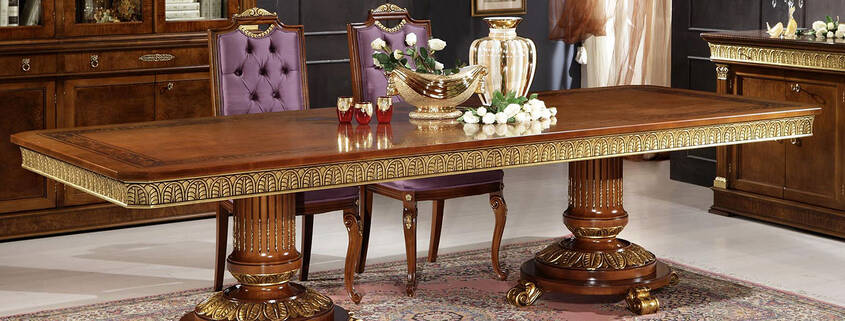
5. Art Deco Italian Furniture:
  • Era: 1920s to 1940s
  • Characteristics: A style that emerged in the early 20th century, Art Deco combines luxury and sophistication with bold geometric patterns, sleek lines, and rich materials. Italian Art Deco often has a unique flair with intricate detailing and exotic materials.
  • Common Pieces: Low-slung sofas, lacquered cabinets, geometric coffee tables, and upholstered chairs with decorative inlays.
  • Materials: Lacquer, exotic woods (like ebony and rosewood), chrome, glass, and luxurious fabrics.

Summary:

Each style of Italian furniture offers a unique perspective, from the ornate and luxurious designs of Baroque and Renaissance styles to the sleek, minimalist lines of modern and contemporary pieces. Whether you are looking for a statement piece that reflects a rich historical heritage or a modern item that exudes elegance and innovation, We can help you find the perfect piece you are looking for.

Why Buy Italian?

Italian-made furniture is often regarded as among the highest quality in the world, and there are several reasons for this reputation:

  1. Craftsmanship and Expertise:

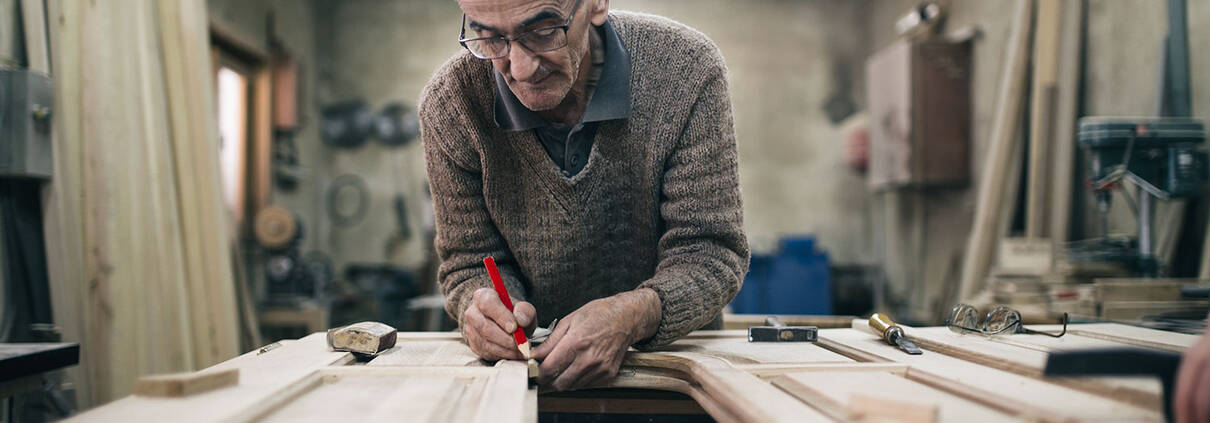
    Italy has a long tradition of skilled craftsmanship and artisanal expertise. Italian furniture makers often have generations of experience, leading to meticulous attention to detail and high standards of workmanship.

  2. Design Excellence:

    Italian furniture is known for its innovative and stylish designs. Renowned for both classic and modern aesthetics, Italian designers often set trends in the global furniture industry. Their focus on form, function, and elegance contributes to the high quality of their products.
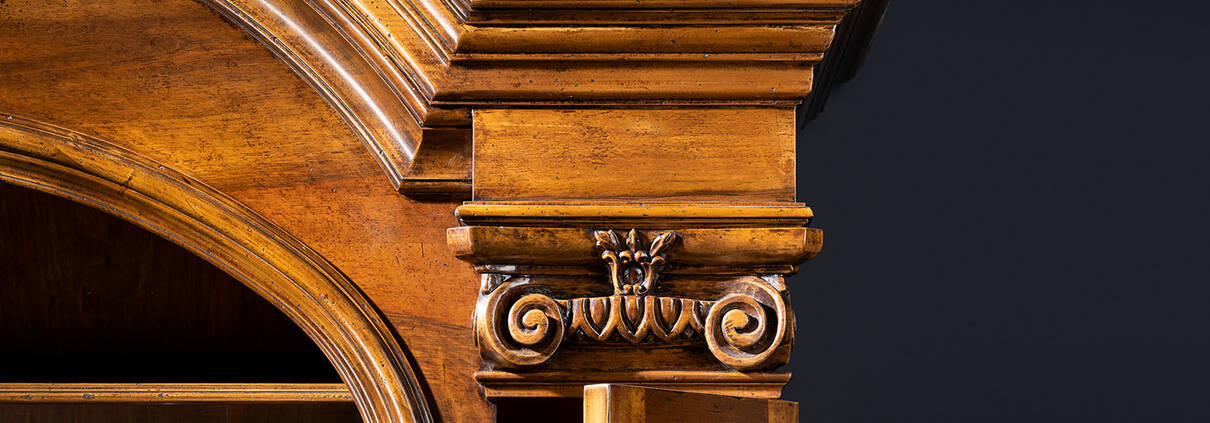
  3. Premium Materials:

    Italian furniture frequently uses high-quality materials, including fine woods, luxurious leathers, and high-end fabrics. The careful selection and use of these materials contribute to both the durability and aesthetic appeal of the furniture.

  4. Attention to Detail:

    Italian furniture often features detailed craftsmanship, from intricate joinery to perfect finishes. The emphasis on detail helps ensure that each piece is not only beautiful but also well-constructed.
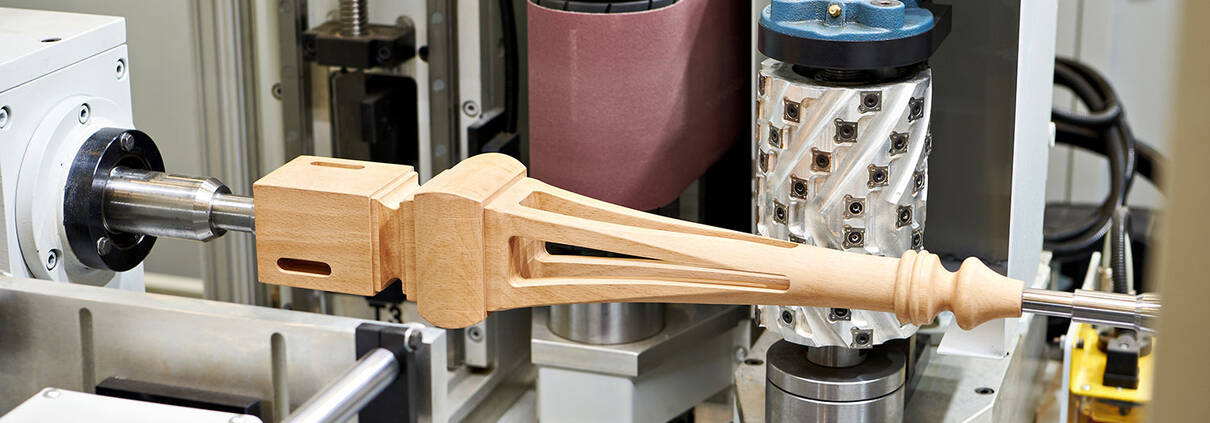
  5. Innovation and Technology:

    Many Italian furniture manufacturers integrate advanced technology and innovative techniques in their production processes. This blend of tradition and modernity can result in superior functionality and durability.
  6. Reputation and Branding:

    The Italian furniture industry benefits from a strong global reputation, partly due to the presence of iconic brands and designers. This reputation can influence perceptions of quality and desirability.

However, it’s important to note that while Italian furniture is often of very high quality, quality can vary between manufacturers and brands, just as with furniture from other countries. At David Michael, we sellect every product we sell to guarantee the high quality of workmanship and materials Italian craftsmanship is known for.
This assures our customers are purchasing a true high quality Italian product that will last generations.

Have questions? Give us a call (434) 237-3526.

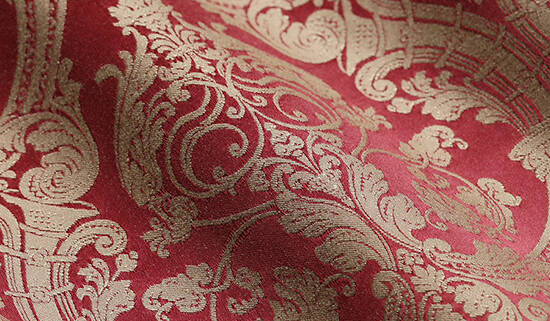
Fabric FA02793 - ALMADA Series

Introducing High-End Italian Textiles